
If you’ve ever ordered a crisp, zesty white wine at a restaurant and found yourself wondering where that punchy passionfruit and fresh-cut grass character came from, the answer is almost certainly Marlborough, New Zealand. This small region at the top of the South Island produces around 82% of all New Zealand wine by volume and accounts for the vast majority of the 1.2 million bottles of New Zealand wine consumed worldwide every single day. That’s roughly 900,000 litres, or the liquid equivalent of about 180 African elephants, consumed daily.
Marlborough Sauvignon Blanc, known affectionately as Savvy B, Sav Blanc, or simply “a Sav” by locals, didn’t just put New Zealand on the wine map. It rewrote the global rulebook for what Sauvignon Blanc could taste like. It’s also the reason wine tourism in Marlborough exists at the scale it does today, and the reason Explore Marlborough exists at all. This is the wine we work with every day, across the routes we ride and the cellar doors we know inside out.
It’s the wine that started everything here, every tour we run, every winery we recommend, every bike we hire out, traces back to this one grape variety. It quite literally is, the Life Blood of Marlborough. – Kat & Roo, Explore Marlborough Owners and Operator’s
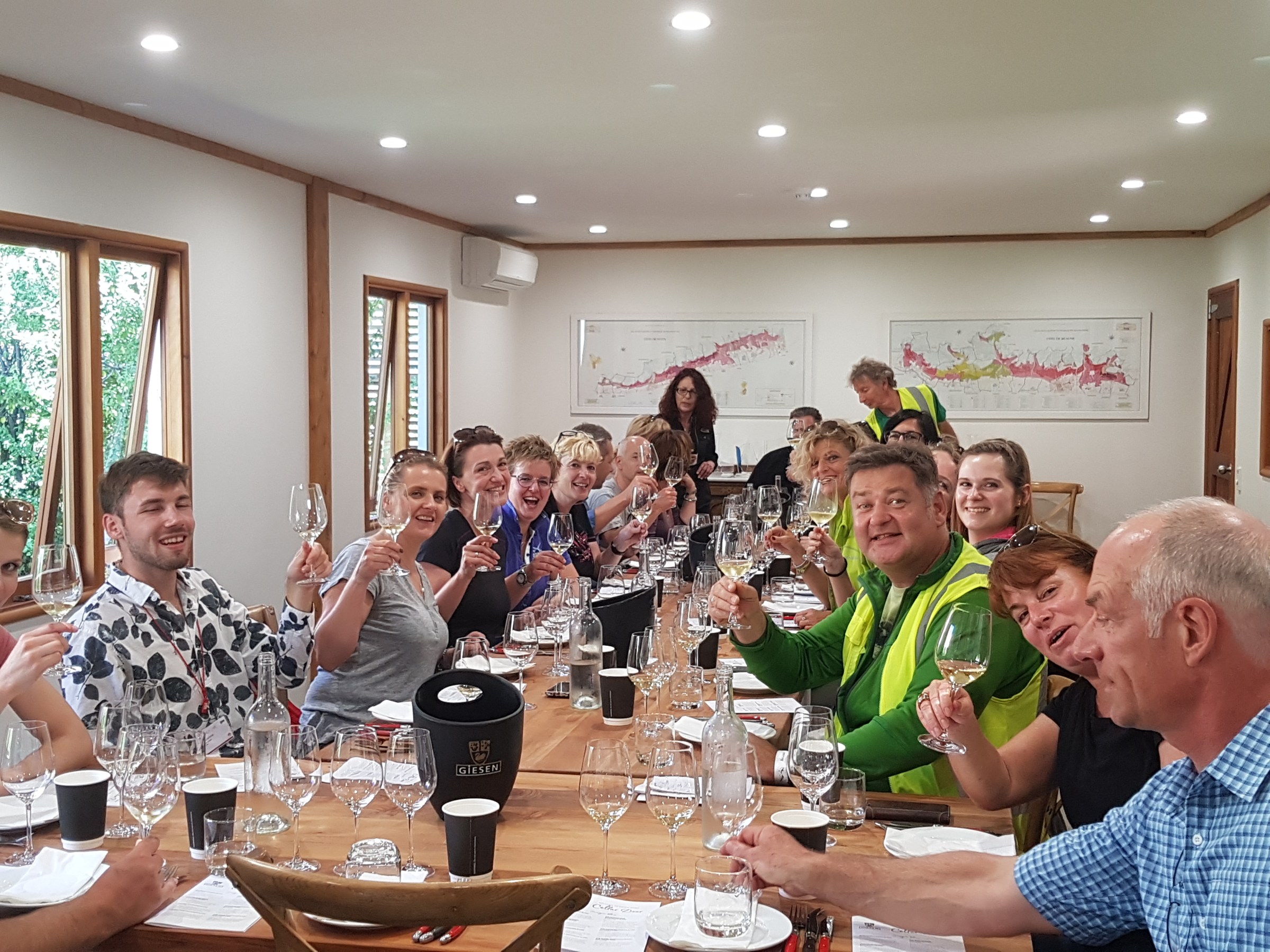
For a lot of visitors, the first proper Marlborough Sav Blanc tasting is the moment the region clicks. This guide is here to make sure that moment happens for you. It covers everything you need to know: the wine itself, the science behind its flavour, the best cellar doors to visit, when to go, what to eat, and how to get between wineries without anyone having to stay sober.
What Does Marlborough Sauvignon Blanc Taste Like?
Marlborough Sav Blanc has a flavour profile that wine drinkers tend to recognise immediately, even if they can’t name it. It’s the wine that made “tropical and herbaceous” a coherent combination rather than a contradiction.
The Flavour Profile
Expect a glass that hits you with:
- Passionfruit and guava on the nose, vivid and almost tropical
- Gooseberry and citrus (grapefruit, lime zest) through the mid-palate
- Fresh cut grass and capsicum on the finish, the signature “green” character
- Zingy acidity that makes it feel clean and refreshing rather than heavy
- Alcohol typically sits at 12-13% ABV, keeping it light and food-friendly
The science behind this flavour is well understood. Marlborough Sav Blanc’s distinctive aromatics are driven by two naturally occurring compounds: methoxypyrazines (which create the herbaceous, green capsicum notes) and thiols (which produce the tropical fruit character). Both compounds are especially prolific under Marlborough’s specific growing conditions. The result is a wine with what Wine Marlborough’s GM Marcus Pickens describes as “purity and flavour intensity” that stands apart from Sauvignon Blanc made anywhere else in the world.
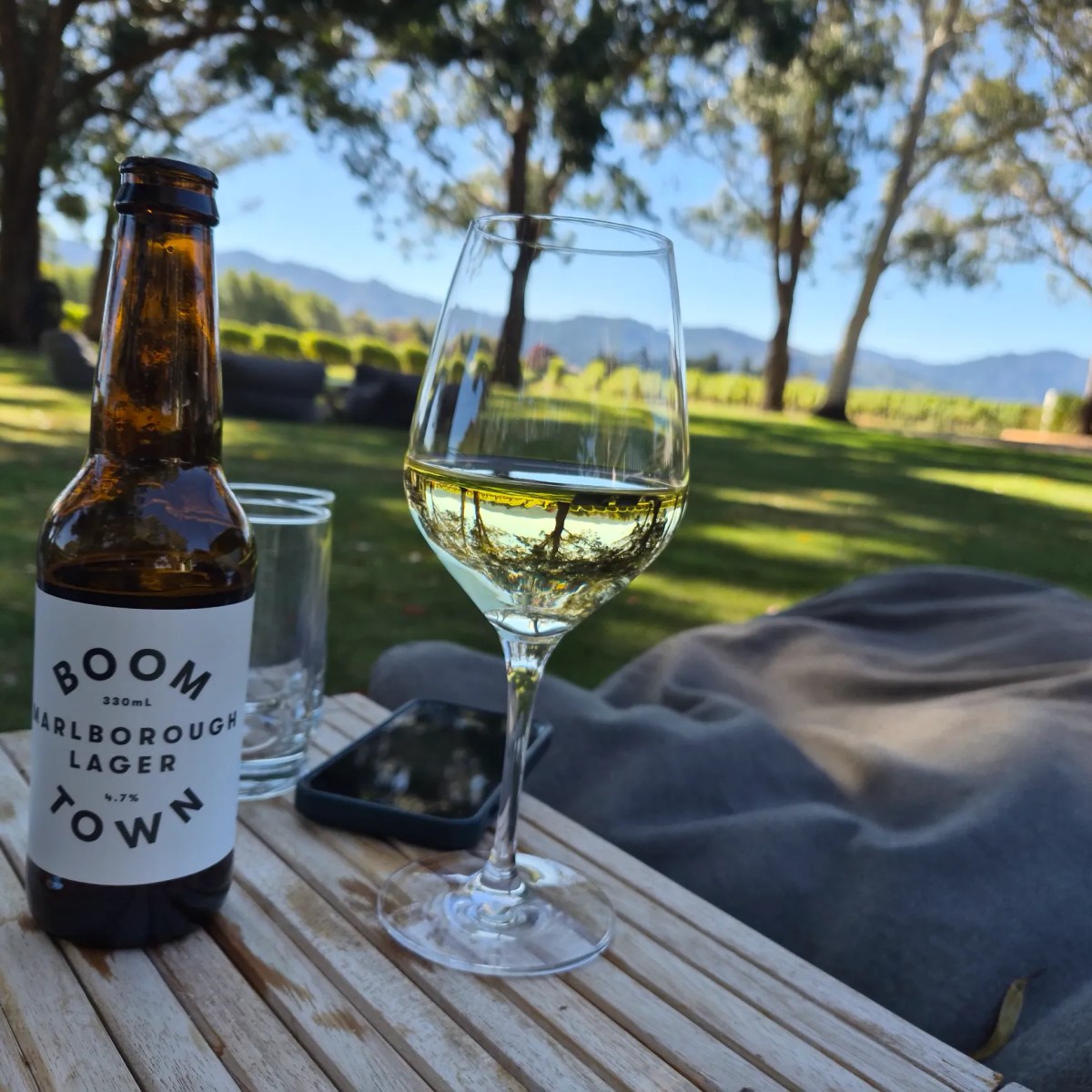
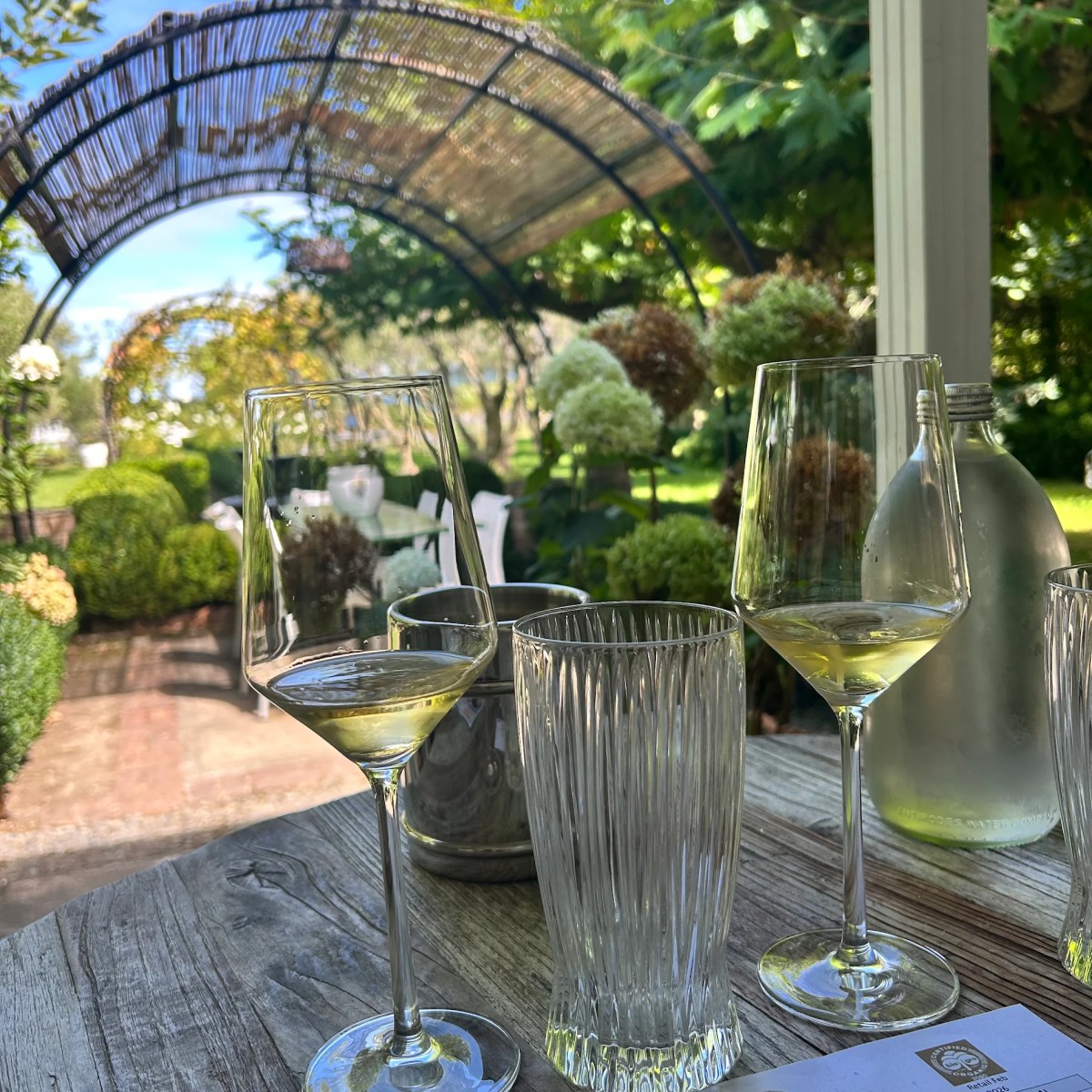
How It Compares to French Sauvignon Blanc
The classic French expressions, Sancerre and Pouilly-Fumé from the Loire Valley, tend toward mineral, flinty, and restrained. They’re elegant and food-focused but relatively understated. Marlborough Sav Blanc is the opposite: exuberant, aromatic, and punchy. Where Loire Sauvignon whispers, Marlborough shouts.
Neither is better. They’re genuinely different wines from the same grape, shaped by radically different climates and soils. But if you’ve only ever tried the French style and want to understand what all the fuss is about, a glass of Marlborough Savvy B is a revelation.
Is Marlborough Sauvignon Blanc sweet or dry? It’s dry. The tropical fruit aromas can make it smell sweeter than it is, but Marlborough Sav Blanc is fermented to dryness with residual sugar typically below 4 g/L. The fruit-forward character is all aromatics, not sweetness.
Why Marlborough Makes the World’s Best Sauvignon Blanc
The short answer is terroir: the combination of soil, climate, and geography that makes a wine taste like it could only come from one place on earth. Marlborough’s terroir for Sav Blanc is essentially perfect.
The Climate Advantage
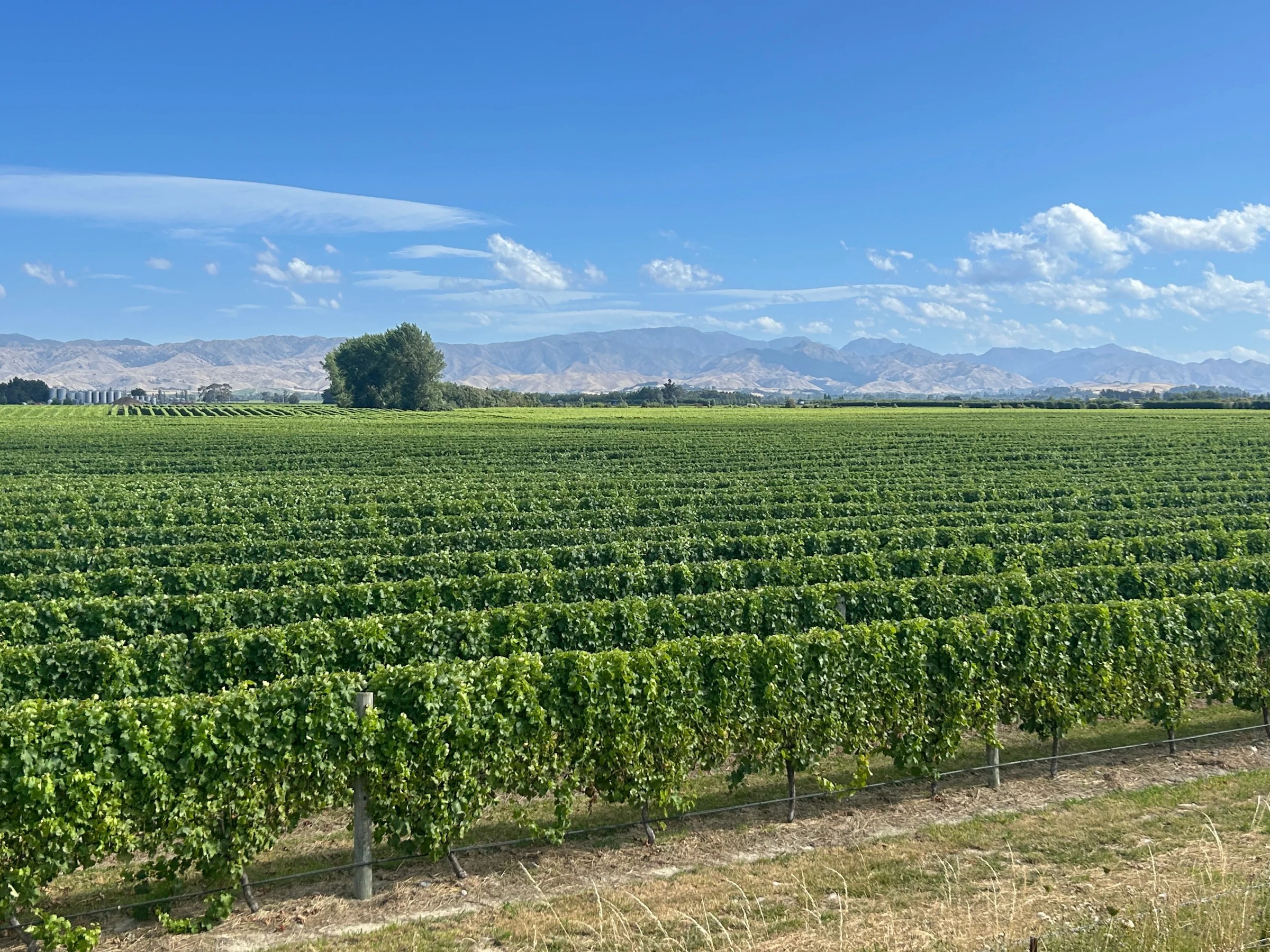
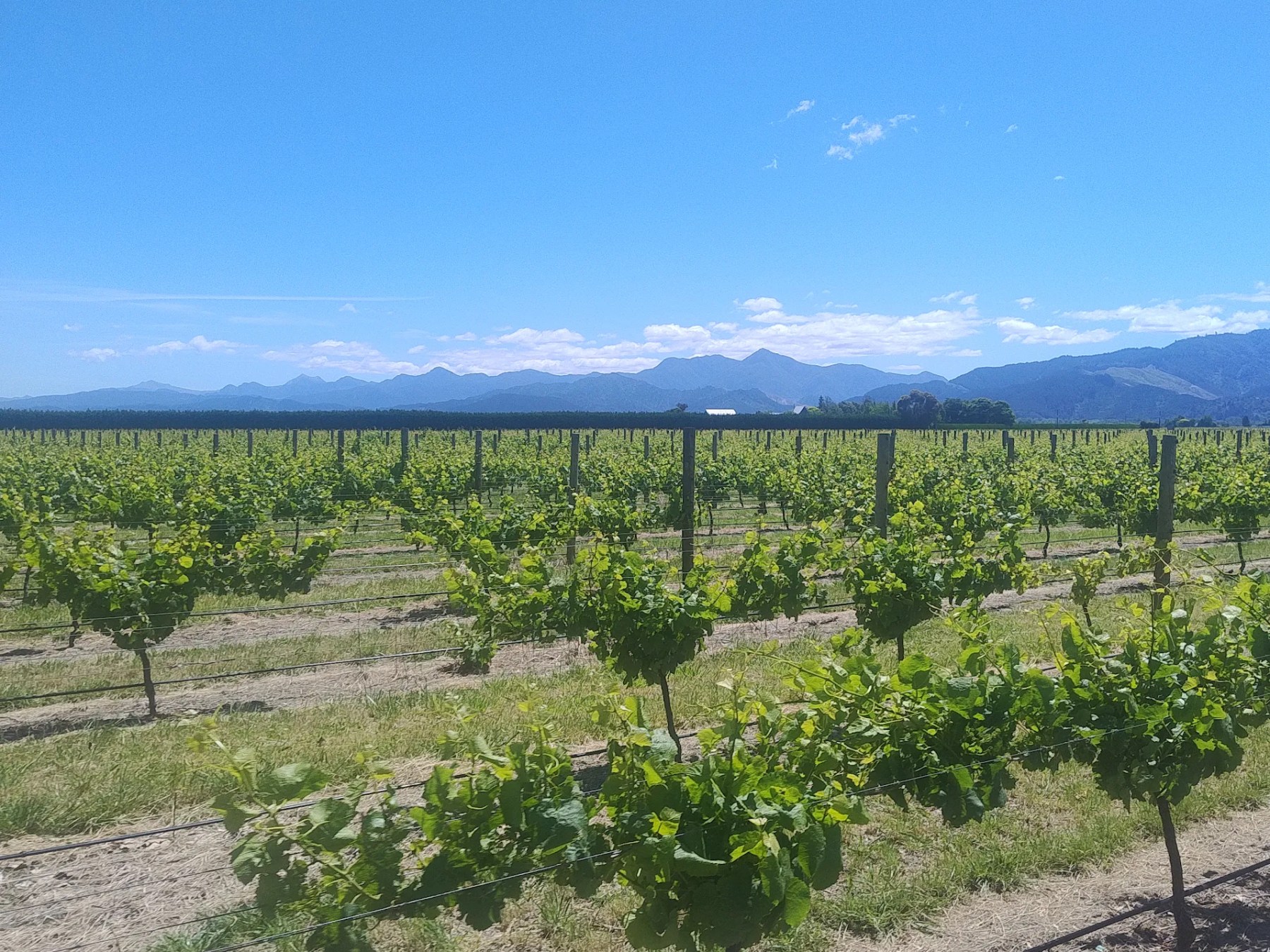
Marlborough sits at 41-42°S latitude, giving it long, warm, sunny days during the growing season and dramatically cool nights. That temperature swing is the key. Long days build sugar and flavour intensity in the grapes; cool nights slow ripening and preserve the natural acidity that makes Sav Blanc so refreshing. The mean January temperature is around 18.5°C, cooler than many famous wine regions, which keeps the aromatic compounds locked in the fruit rather than baking off in summer heat.
The region also receives some of the highest UV radiation in the world, which concentrates phenolics and intensifies colour and flavour. Add in the warm, dry nor’west winds (the Marlborough equivalent of Napa’s Diablo winds) that manage canopy humidity and reduce disease pressure, and you have a growing environment that seems almost designed for Sauvignon Blanc.
The Soils
| Sub-region | Soil Type | Effect on Wine |
|---|---|---|
| Wairau Valley | Gravelly, free-draining glacial outwash | Classic tropical fruit, vibrant acidity |
| Dillons Point | Heavier clay-silt near the coast | More intense, perfumed, concentrated |
| Awatere Valley | Stony, low-rainfall alluvial | Leaner, more herbaceous, higher acidity |
| Southern Valleys | Varied clay and loam | Fuller body, riper stone fruit notes |
The stony, free-draining soils in the Wairau Valley are particularly important. Vines under stress from low water retention produce smaller berries with more concentrated flavour. Combined with warm days and cool nights, the result is grapes with extraordinary aromatic intensity.
The Numbers
According to Wine Marlborough, Marlborough’s vineyard land has grown from 6,831 hectares in 2003 to nearly 30,000 hectares today, roughly 71% of New Zealand’s total vineyard area. Of that, 81% is planted in Sauvignon Blanc, representing over 23,000 hectares dedicated to a single variety. Three-quarters of all Sauvignon Blanc planted in New Zealand is in Marlborough, with Hawke’s Bay a distant second at just 978 hectares.
Sauvignon Blanc comprises 89% of New Zealand’s wine exports, making it one of the most commercially dominant single-variety, single-region combinations in the entire wine world.
Understanding these sub-regions makes cellar door visits significantly better. Once you know that the Wairau Valley tends toward tropical and vibrant while the Awatere runs leaner and more herbaceous, you stop tasting “just Sauvignon Blanc” and start noticing why one glass smells like passionfruit and the next like fresh-cut herbs. That context is something a good guide brings to every stop, and it’s something you can carry with you on a self-guided day too.

The Award-Winner
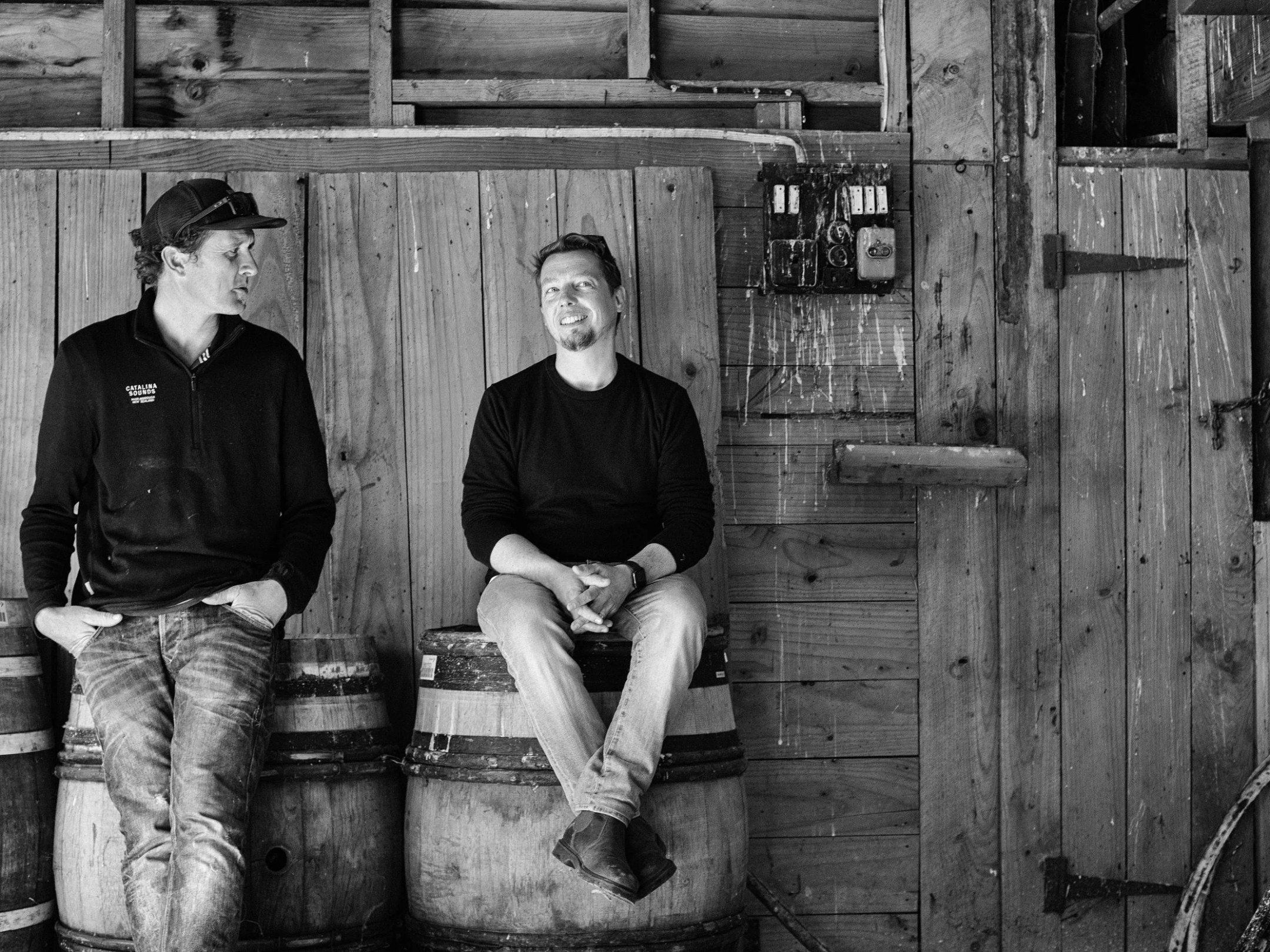
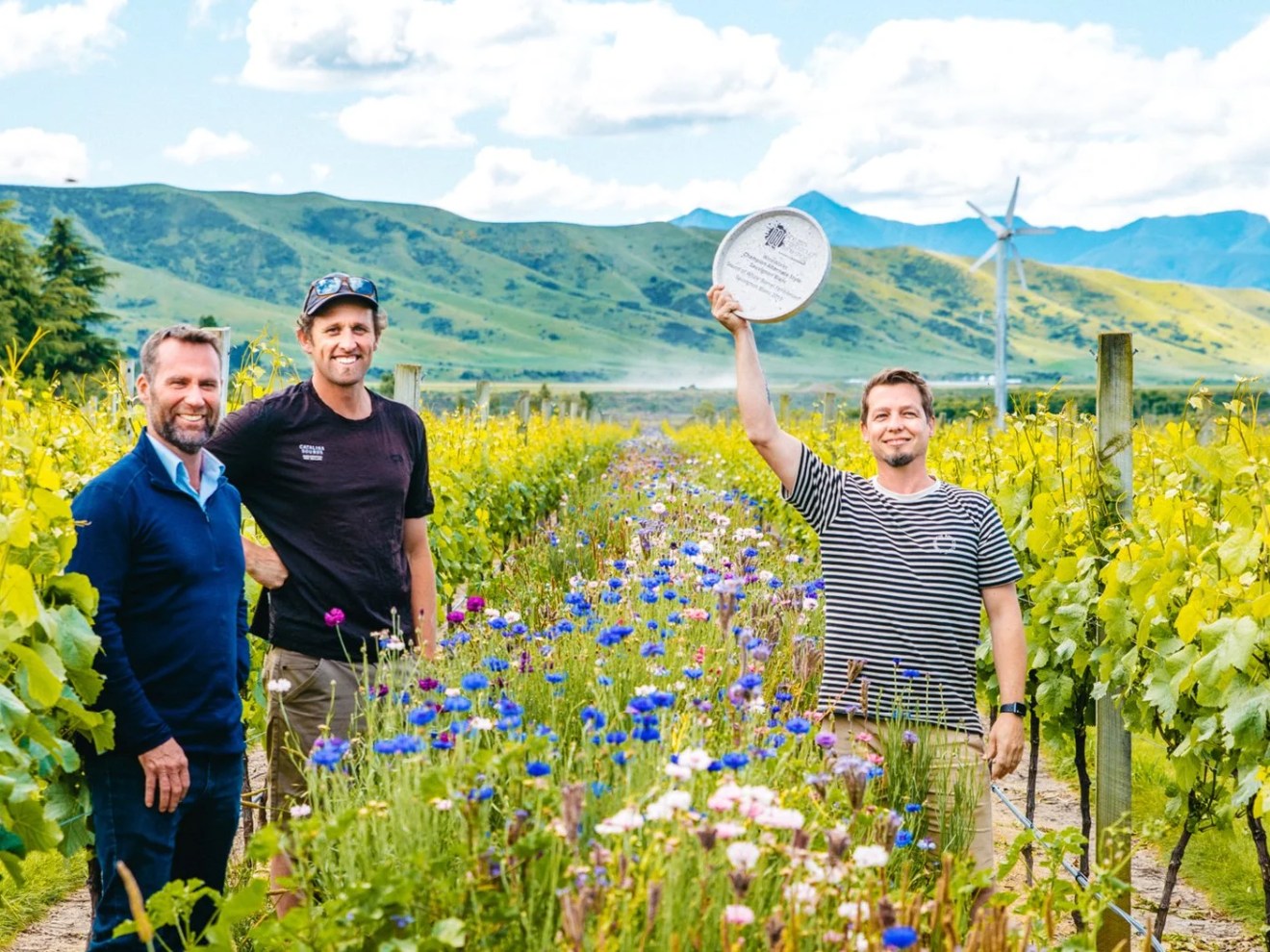
Catalina Sounds from Dillons Point is currently the most internationally recognised Marlborough Sav Blanc producer, having taken out the 2025 London Wine Competition Sauvignon Blanc of the Year for their 2024 vintage. The Dillons Point sub-region produces more intense, perfumed expressions than the classic Wairau Valley style. Worth going out of your way for. We’d recommend checking their website or contacting them directly for current opening hours and to make a booking before you visit. Their cellar door is located deep within the Wairau Valley, if you’d like to include Catalina Sounds as part of your Marlborough wine experience, we would highly recommend one of our Deluxe Tours.
How to Visit the Sauvignon Blanc Wineries
Planning a winery day in Marlborough is straightforward once you understand the geography. Most of the cellar doors are clustered within a few kilometres of each other on and around Rapaura Road, about 10 minutes from central Blenheim. And if you’re not staying right on the doorstep, don’t worry, most of our tours include FREE pick-up and drop-off from central Blenheim, so your accommodation choice doesn’t limit your options.
The Rapaura Road Strip
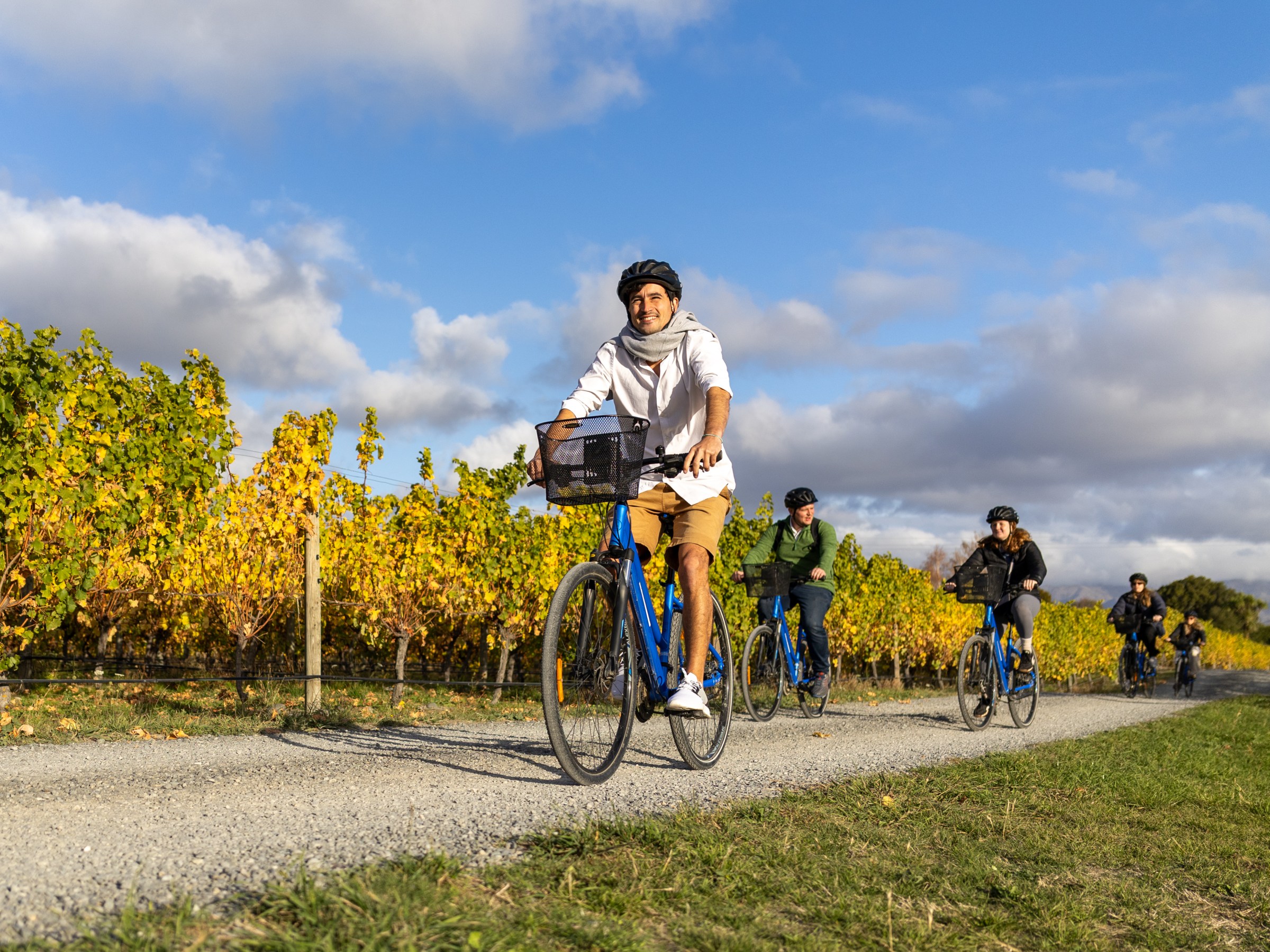
Rapaura Road is the heart of Marlborough’s cellar door scene, and it runs right past our base at The Vines Village. Nautilus, No. 1 Family Estate, Hans Herzog, Whitehaven, Saint Clair, and several others are all within easy reach of each other along this corridor. It’s flat, scenic, and purpose-built for exactly the kind of leisurely winery-hopping most visitors have in mind. Which is exactly why it’s the core of our self-guided and guided bike tour routes.
The Renwick Cluster
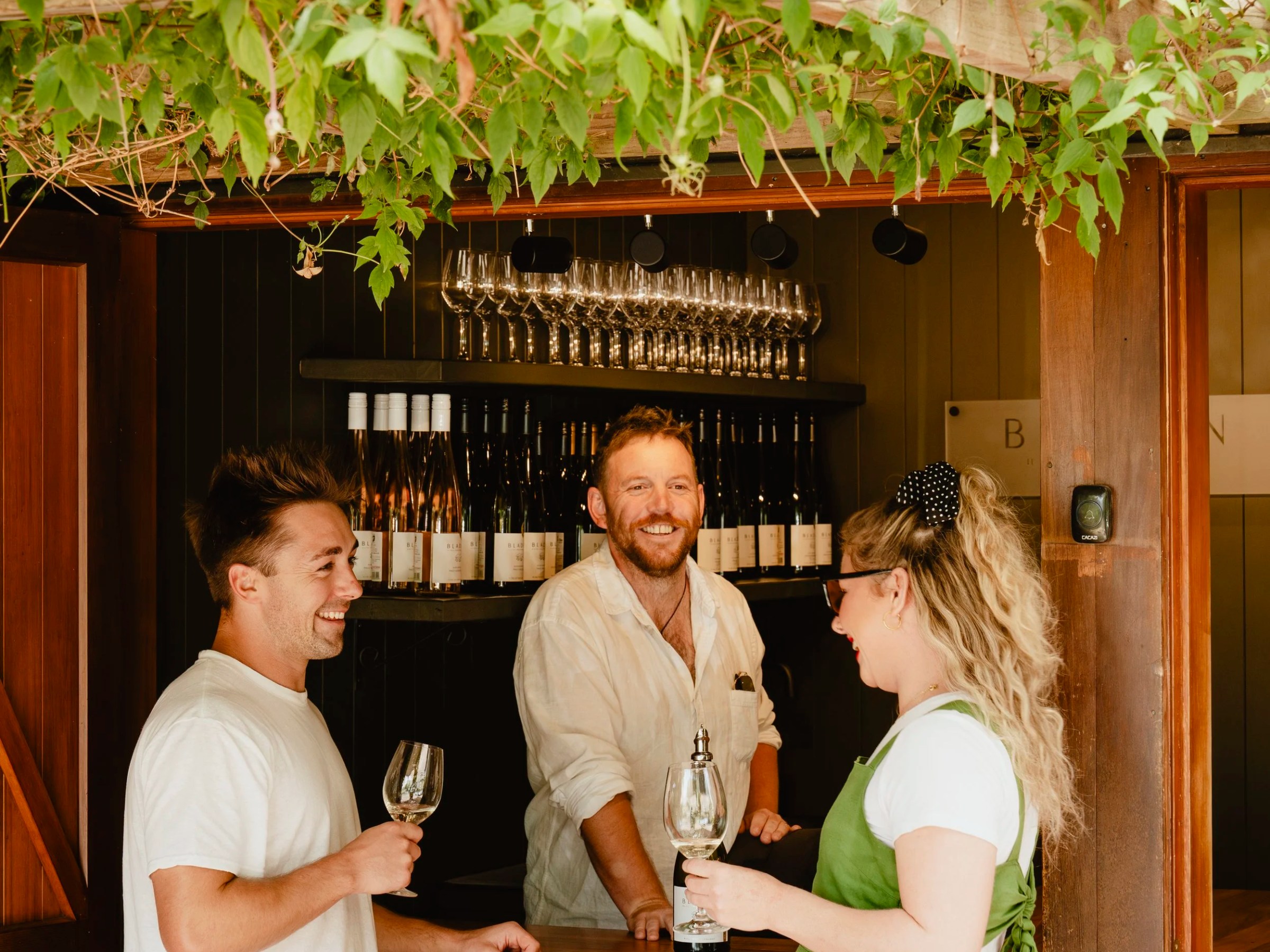
Head about a 10 minute ride west from Rapaura Road and you hit the Renwick cluster, a tight concentration of boutique cellar doors within easy cycling distance of each other. Forrest Wines, Fromm, Bladen, Mahi, Te Whare Rā, and Framingham are all in this pocket. It’s a quieter, more personal alternative to the main strip and well worth combining with a Rapaura Road stop for a full day out.
The Awatere and Southern Valleys
A bit out of range for our bikes is the Awatere Valley, which produces some of Marlborough’s most distinctive Sav Blanc. Leaner, more herbaceous, and higher in acidity than the classic Wairau style. The Southern Valleys (Omaka, Brancott, Dog Point) tend toward fuller body and riper stone fruit. Both are genuinely worth exploring if you have more time in the region or are on a driving tour.
Getting Between Wineries
This is where the decision matters. Your options:
| Option | Pros | Cons |
|---|---|---|
| Walk | Free, no logistics, genuinely scenic | Limited range – works for 1-2 neighbouring cellar doors only |
| Drive yourself | Flexible, cheap | Someone has to be the designated driver |
| Self Guided Biking Wine Tour | No DD needed, set your own pace, can stop anywhere | Some fitness required (though e-bikes solve this) |
| Guided Tour | Local knowledge, transport sorted, curated experience | Less spontaneous |
Tasting Fees: What to Expect
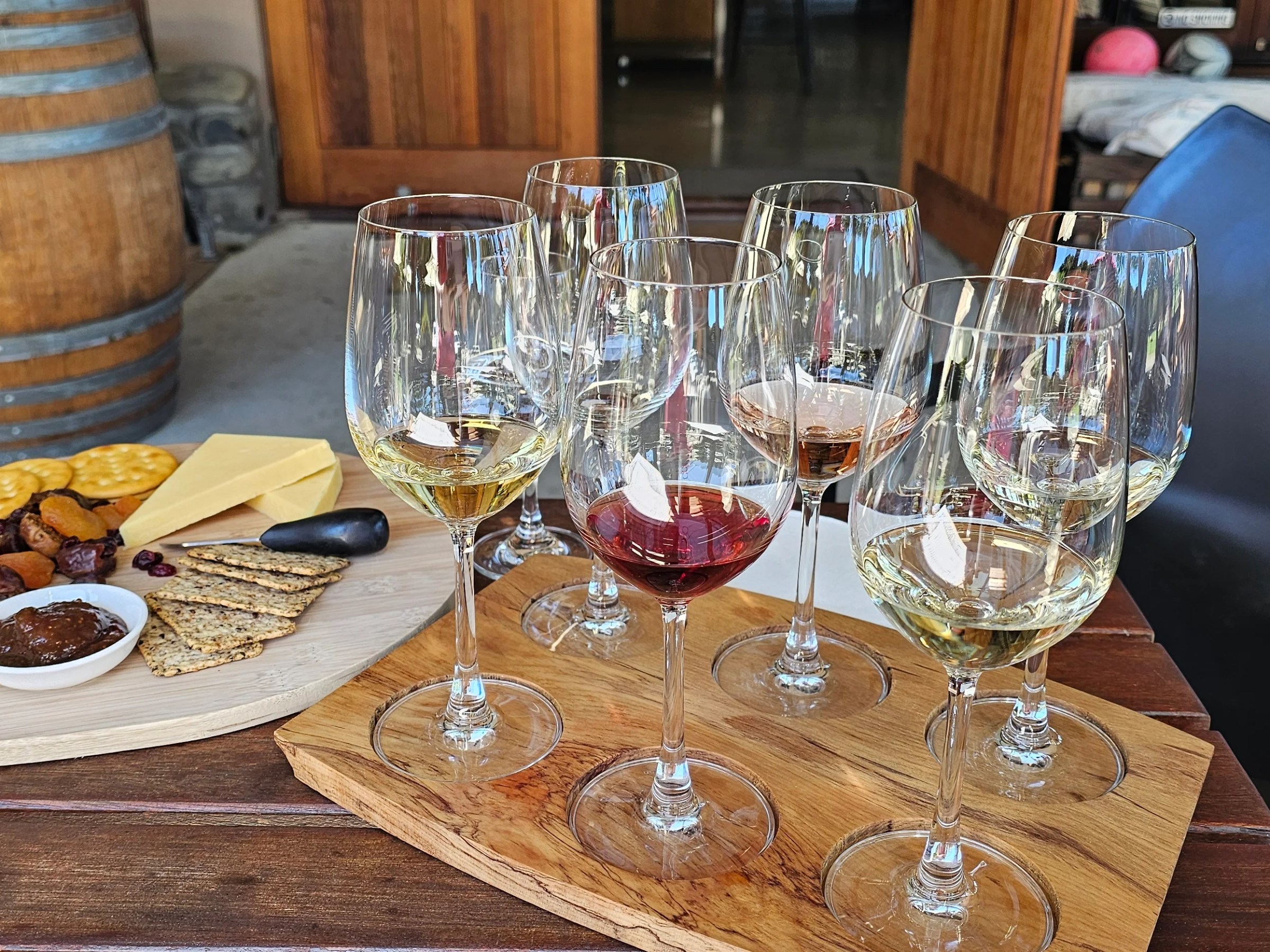
Most Marlborough cellar doors charge a small tasting fee:
| Tasting Type | Price Per Person |
|---|---|
| Standard tasting (4-6 wines) | $10-$25 |
| Reserve or premium tasting | $25-$45 |
| Some smaller producers | Free or by koha |
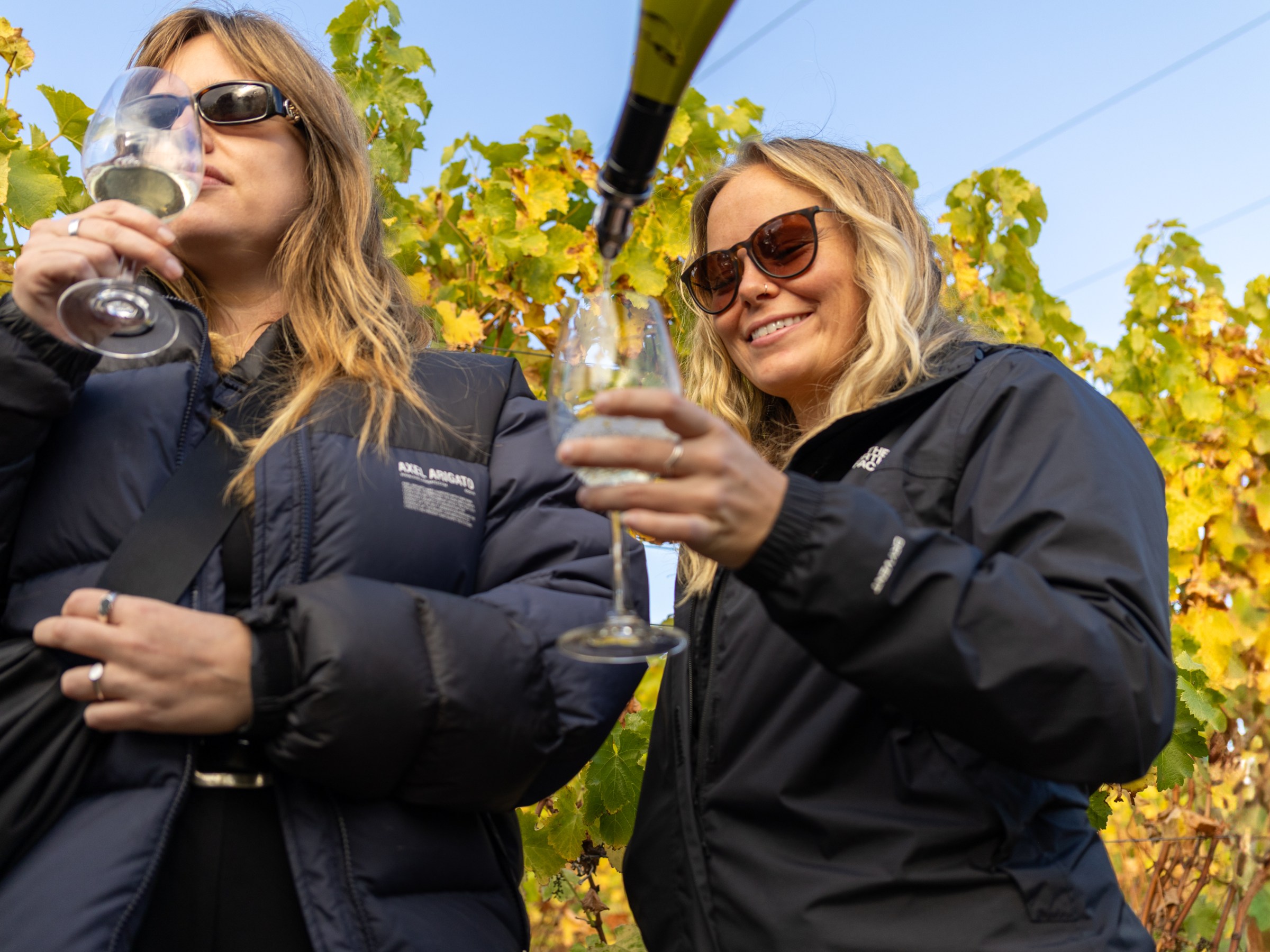
Budget around $15-$20 per person per cellar door for a standard experience. Three wineries in a day works out to roughly $45-$60 in tasting fees before any bottle purchases (which typically waive or refund tasting costs).
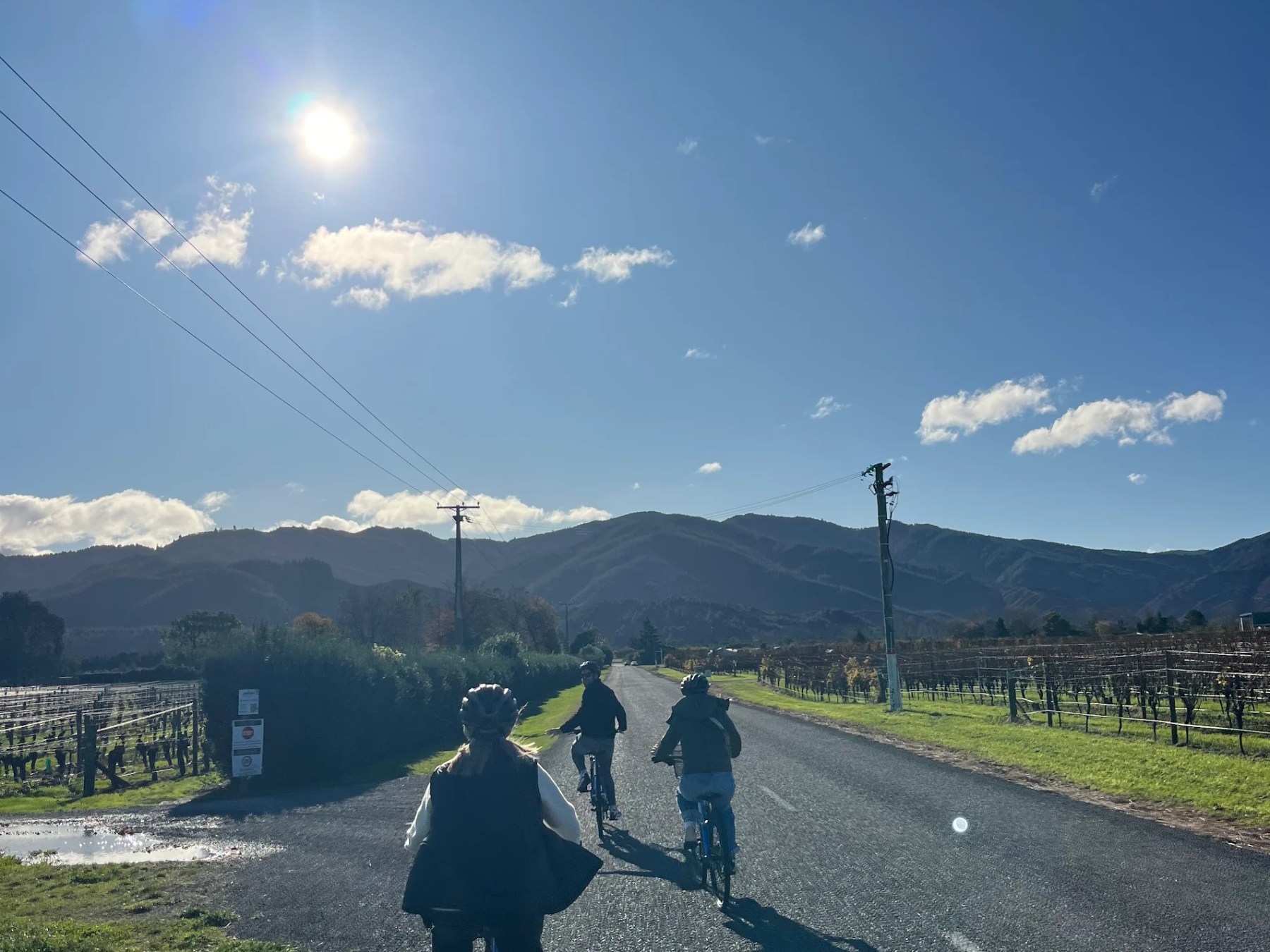
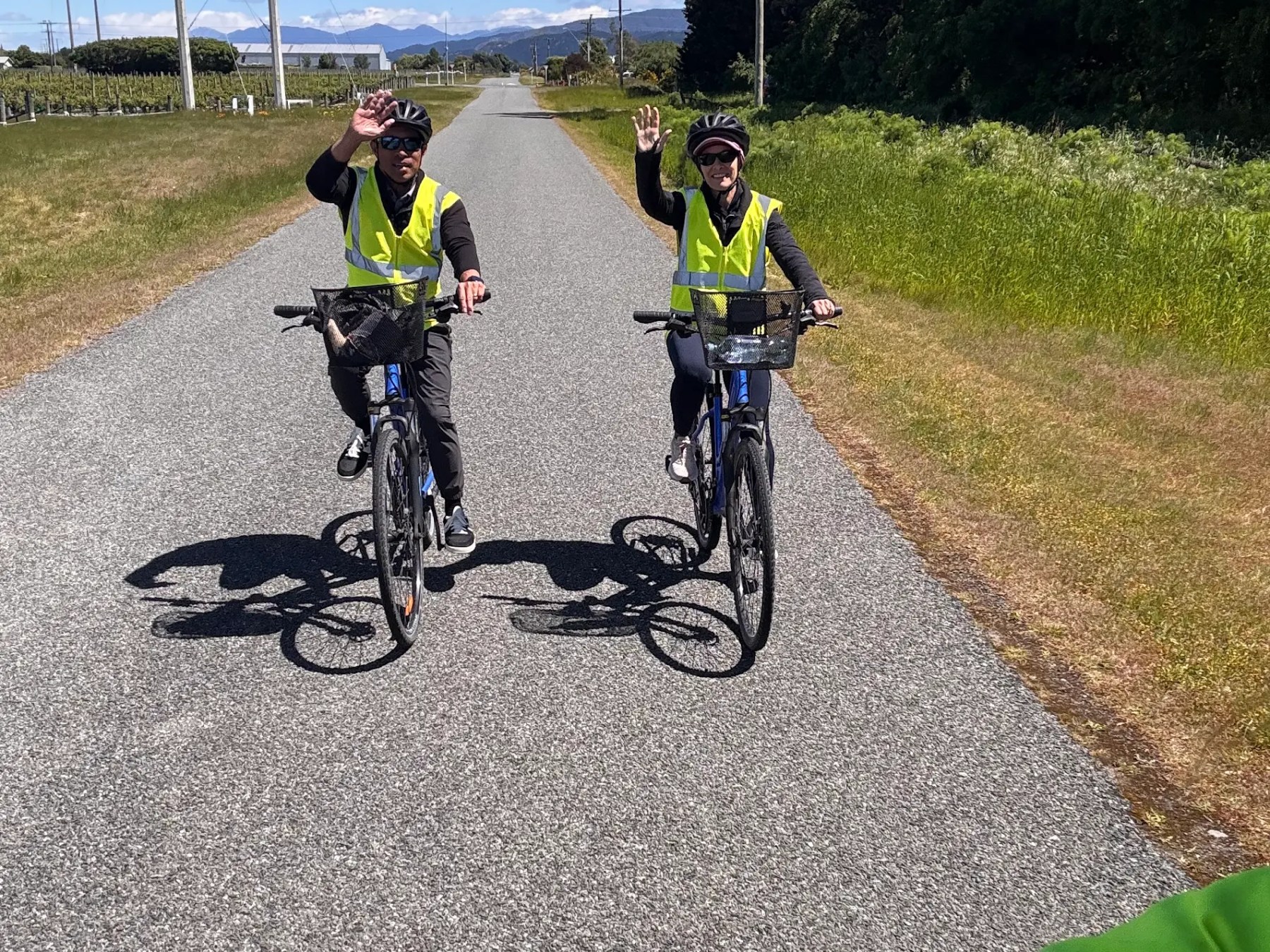
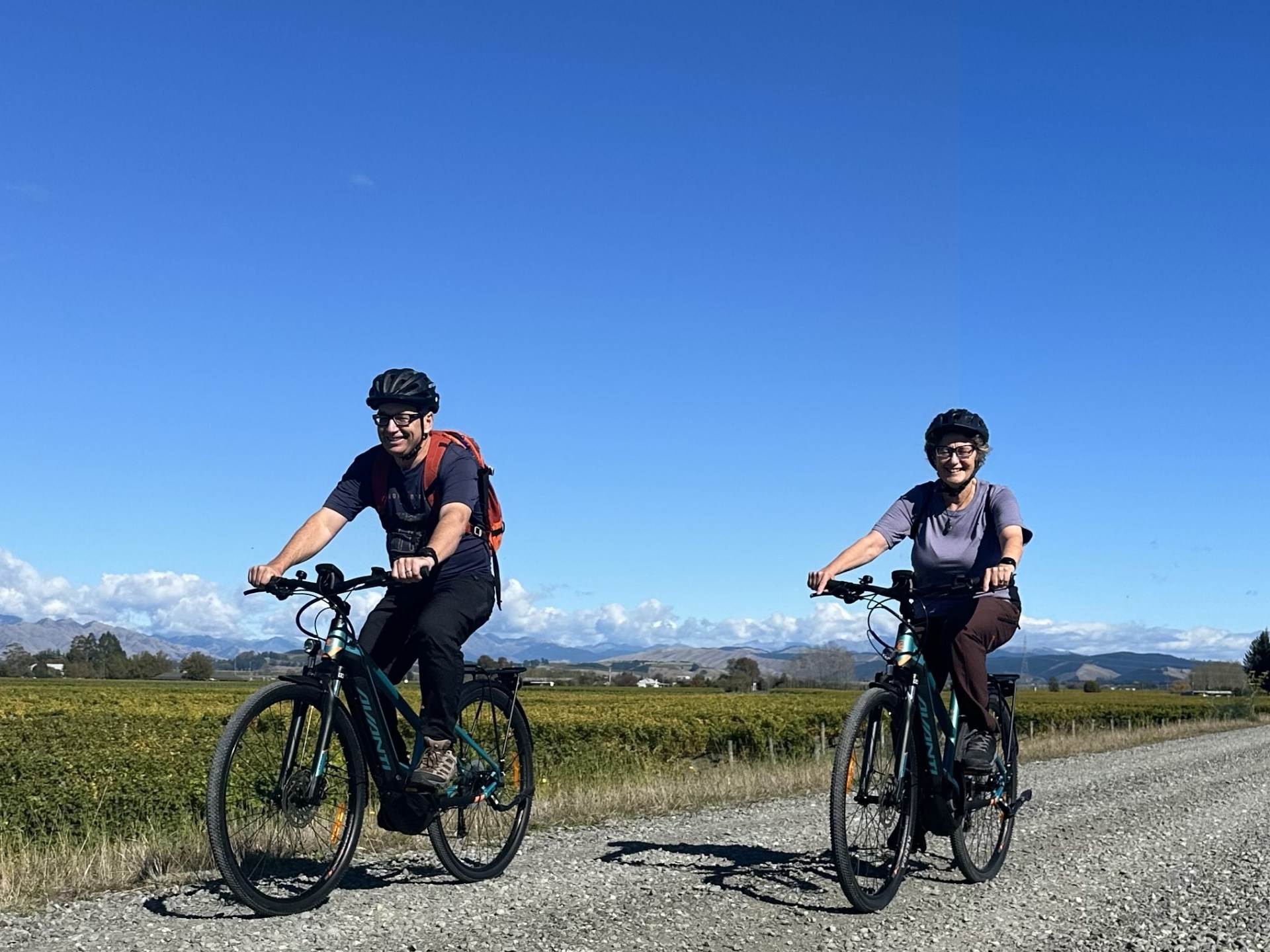
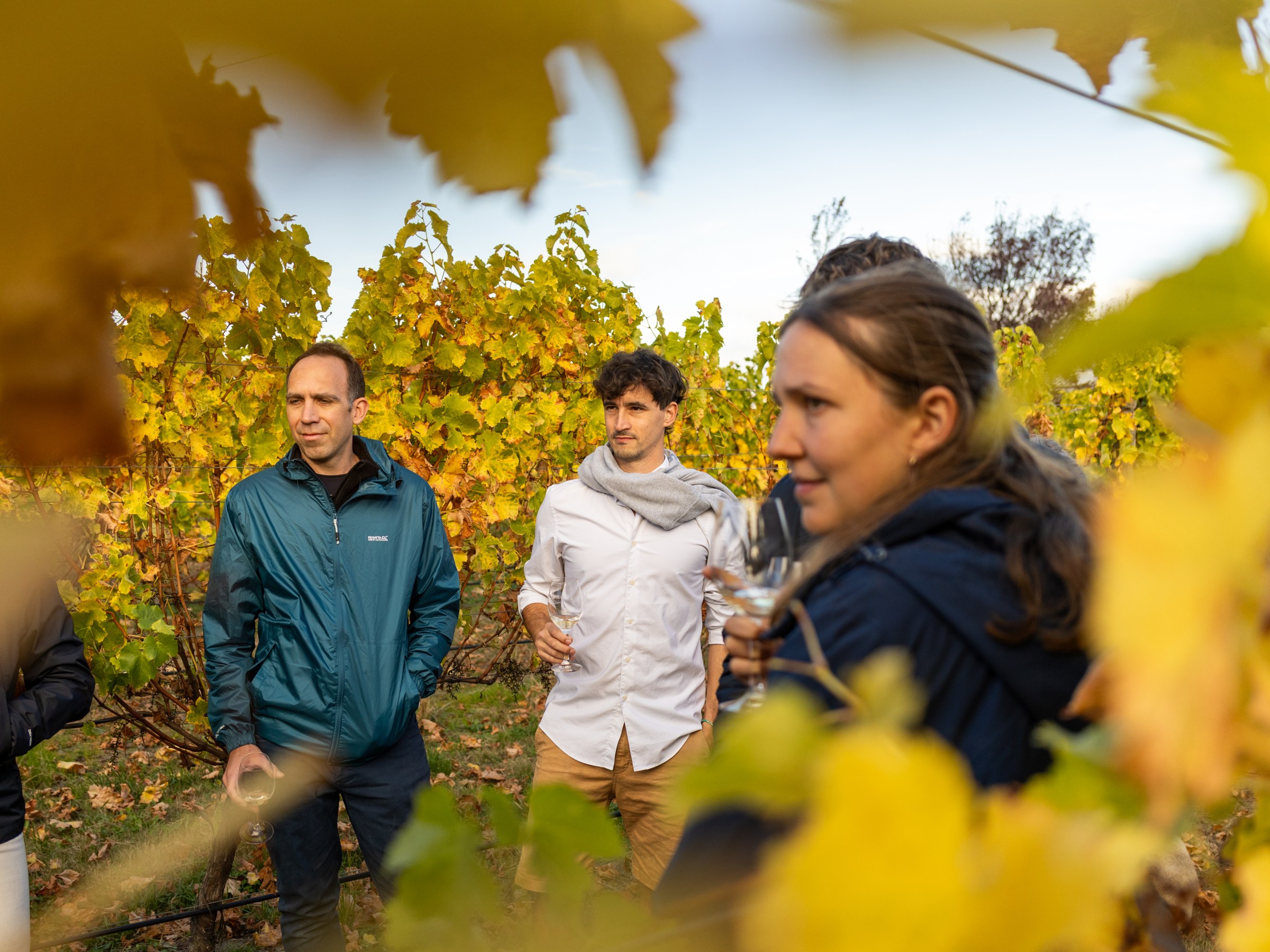
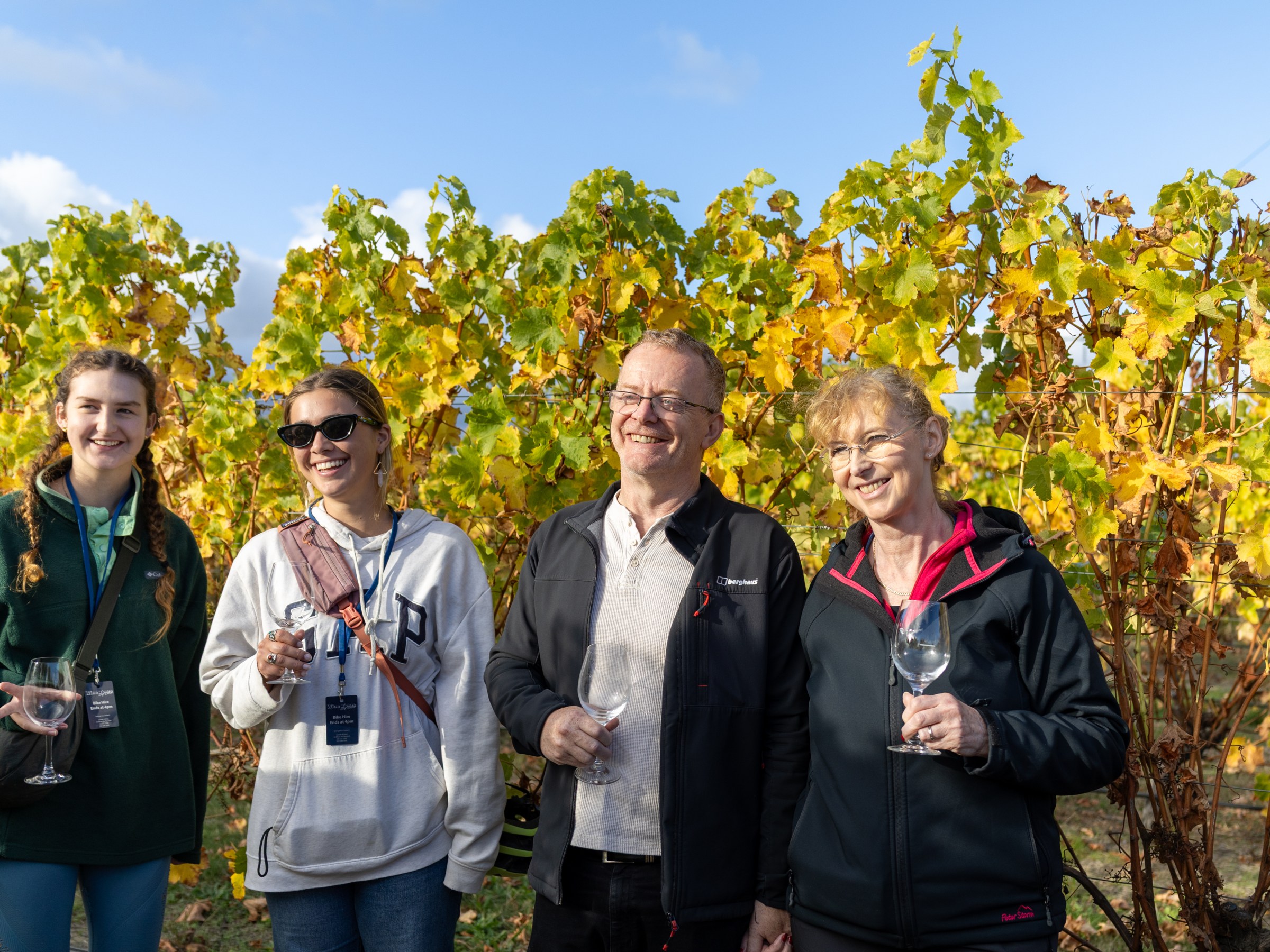
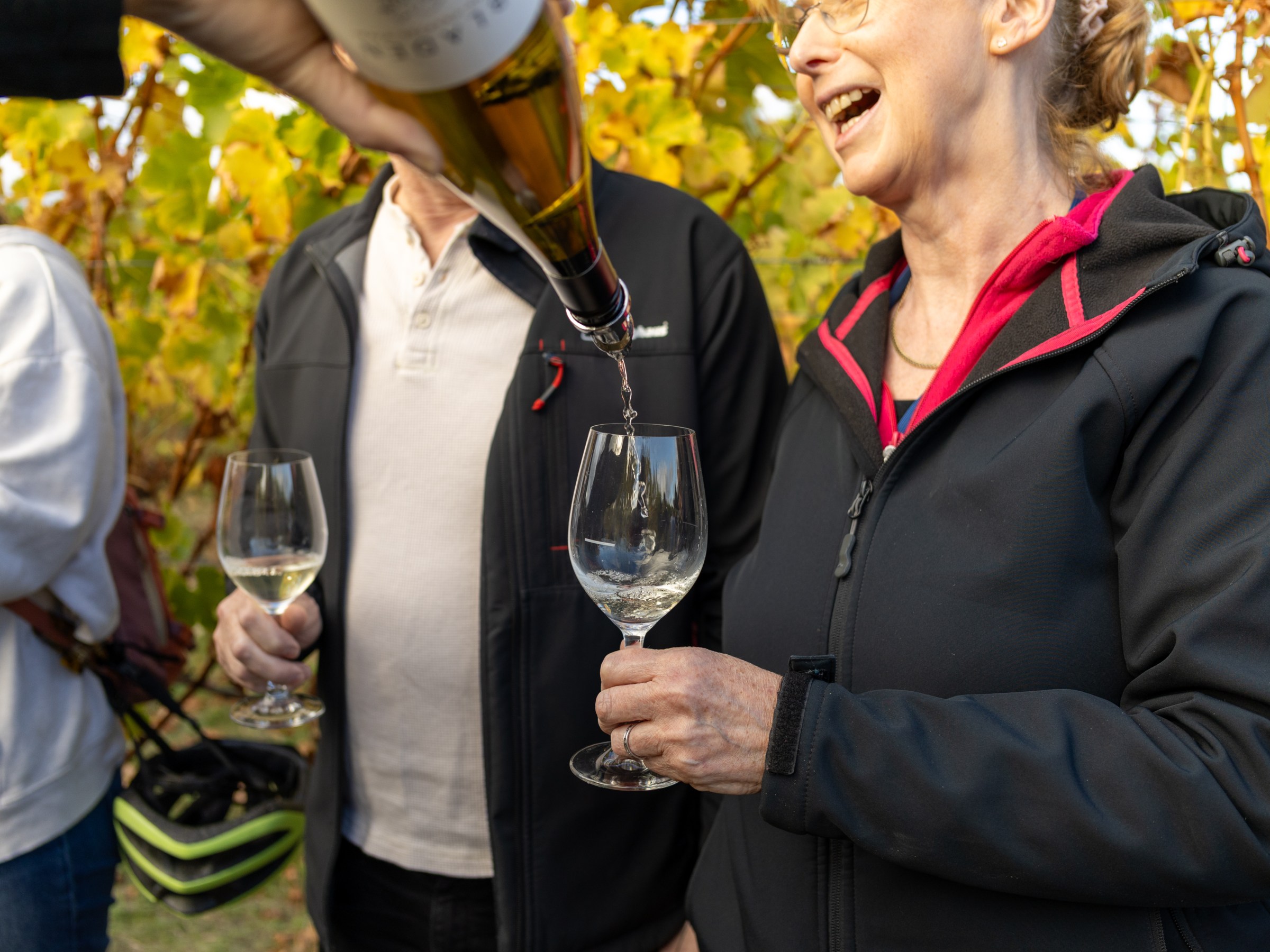
The flat terrain around Rapaura Road makes cycling the most popular choice for a reason, and it’s not just convenience. Marlborough’s core Sav Blanc cellar doors are close enough together that biking is the format that best matches the experience: slow, scenic, flexible, and with no designated driver problem. You move at the pace of the vines, not a schedule. You can stop at any cellar door that catches your eye, take your time at each one, and nobody has to miss out on the tasting. Our self-guided biking wine tour includes bike hire, a route map, and winery vouchers so you can explore at your own pace. If you’d prefer a local guide to handle the route and introductions, our guided biking wine tour covers the best of the region with a knowledgeable guide who knows which producers are pouring something special on any given day.
Most of our tours include pick-up and drop-off, so you don’t need to be staying right on the doorstep of the wineries. Book from central Blenheim or wherever you’re based and we’ll handle the logistics.
Best Time to Visit Marlborough for Sauvignon Blanc
Most of Marlborough’s cellar doors are open year-round, but the experience changes significantly depending on when you visit.
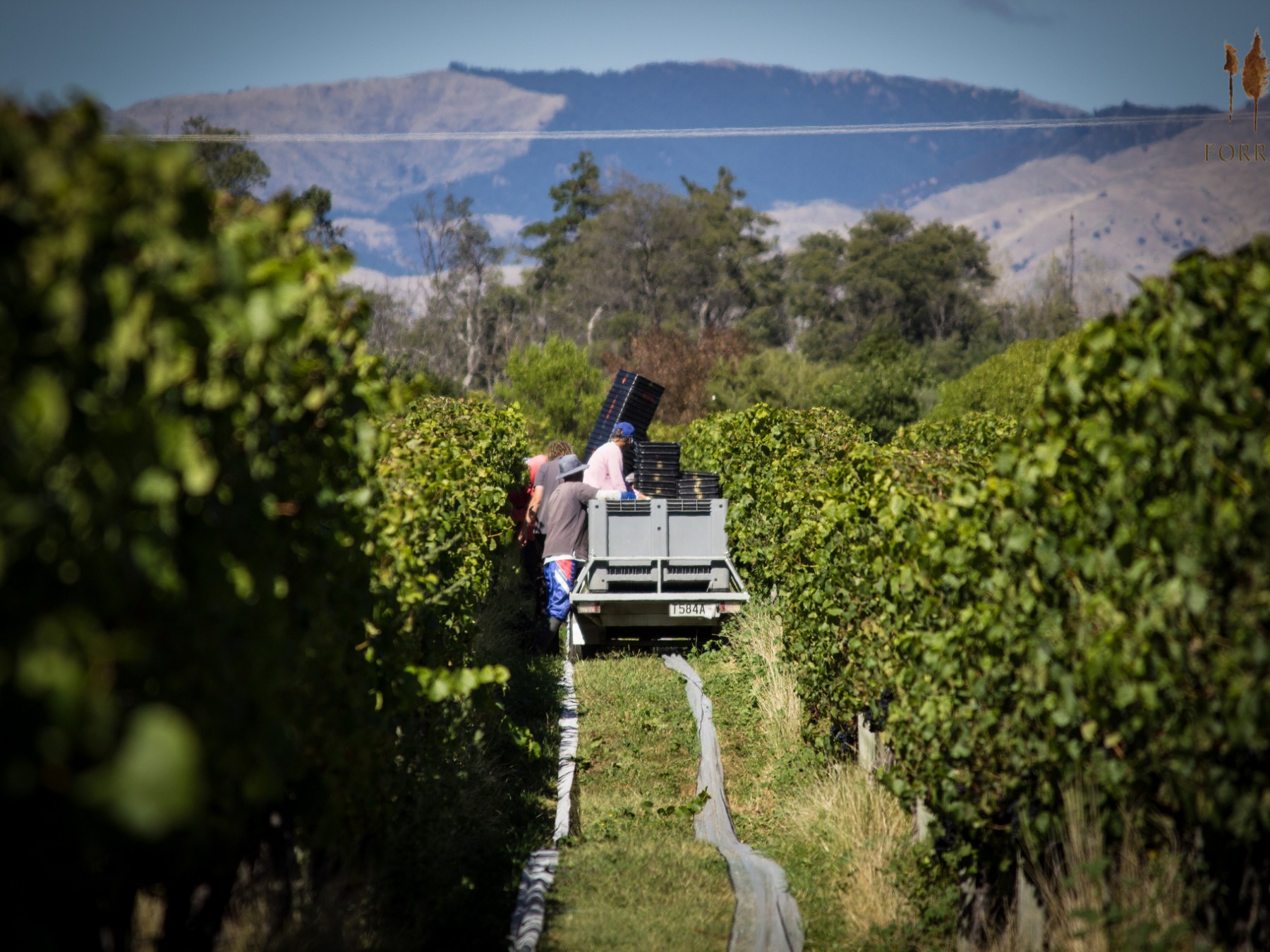
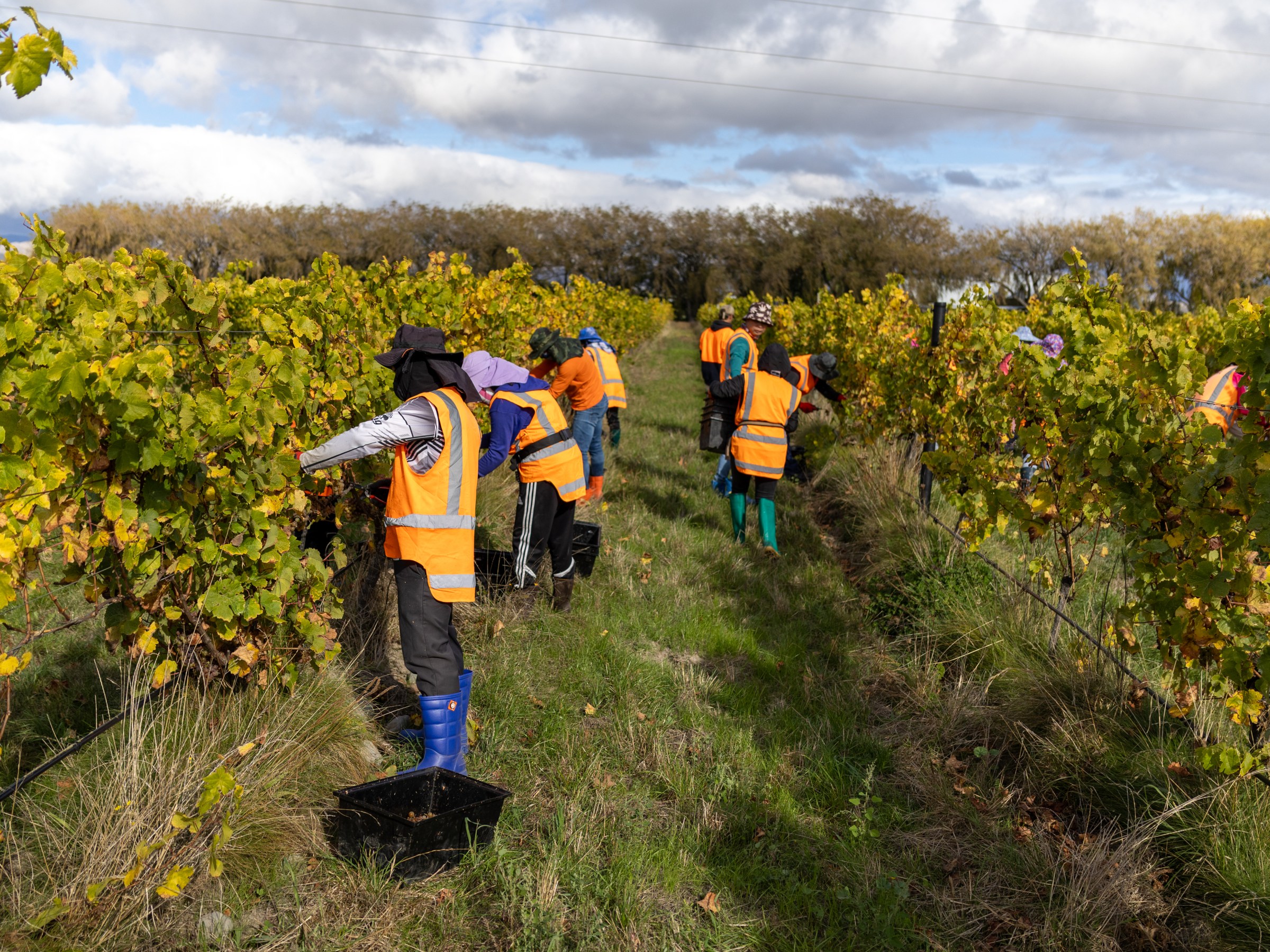
Harvest Season: March and April
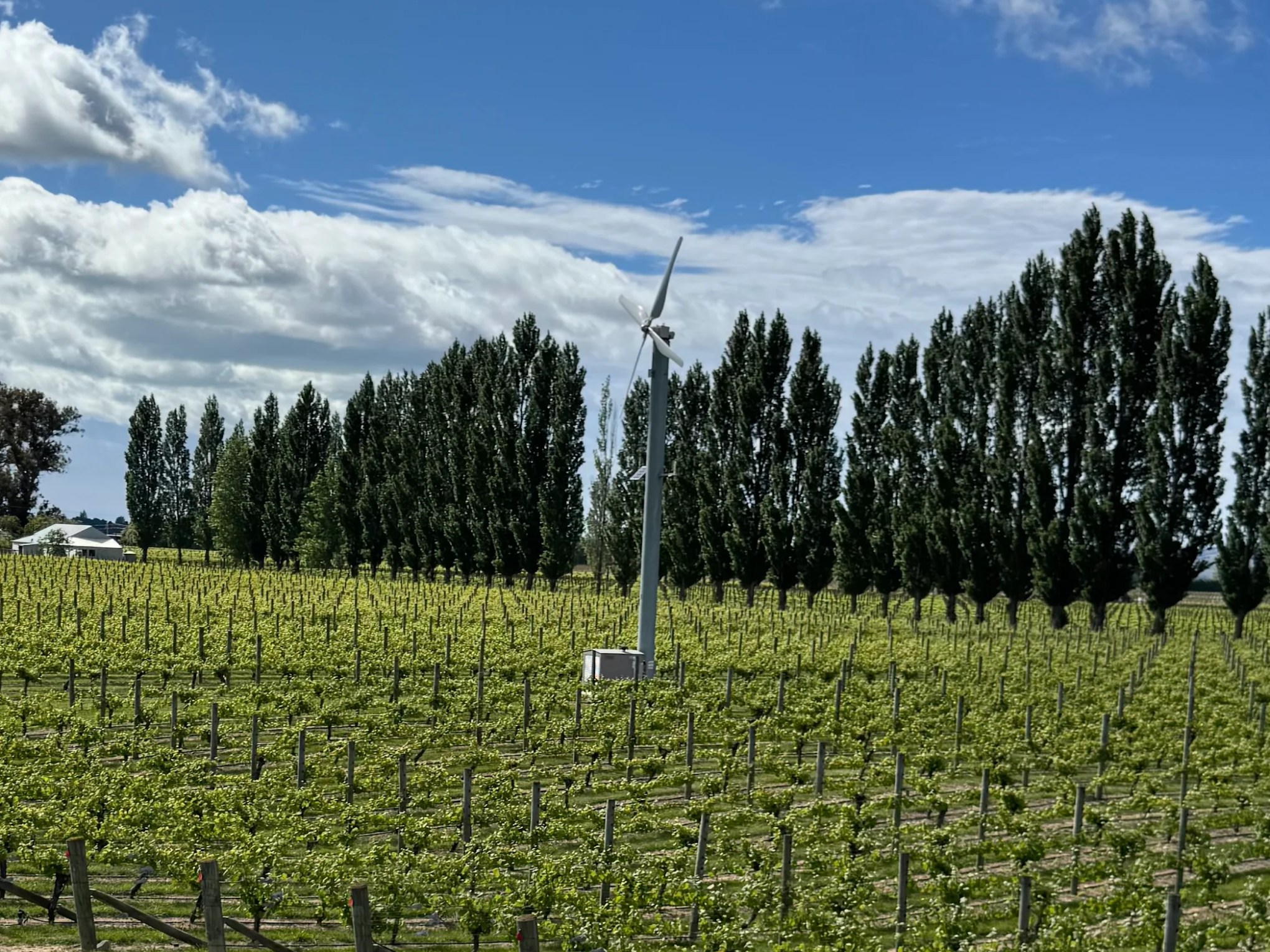
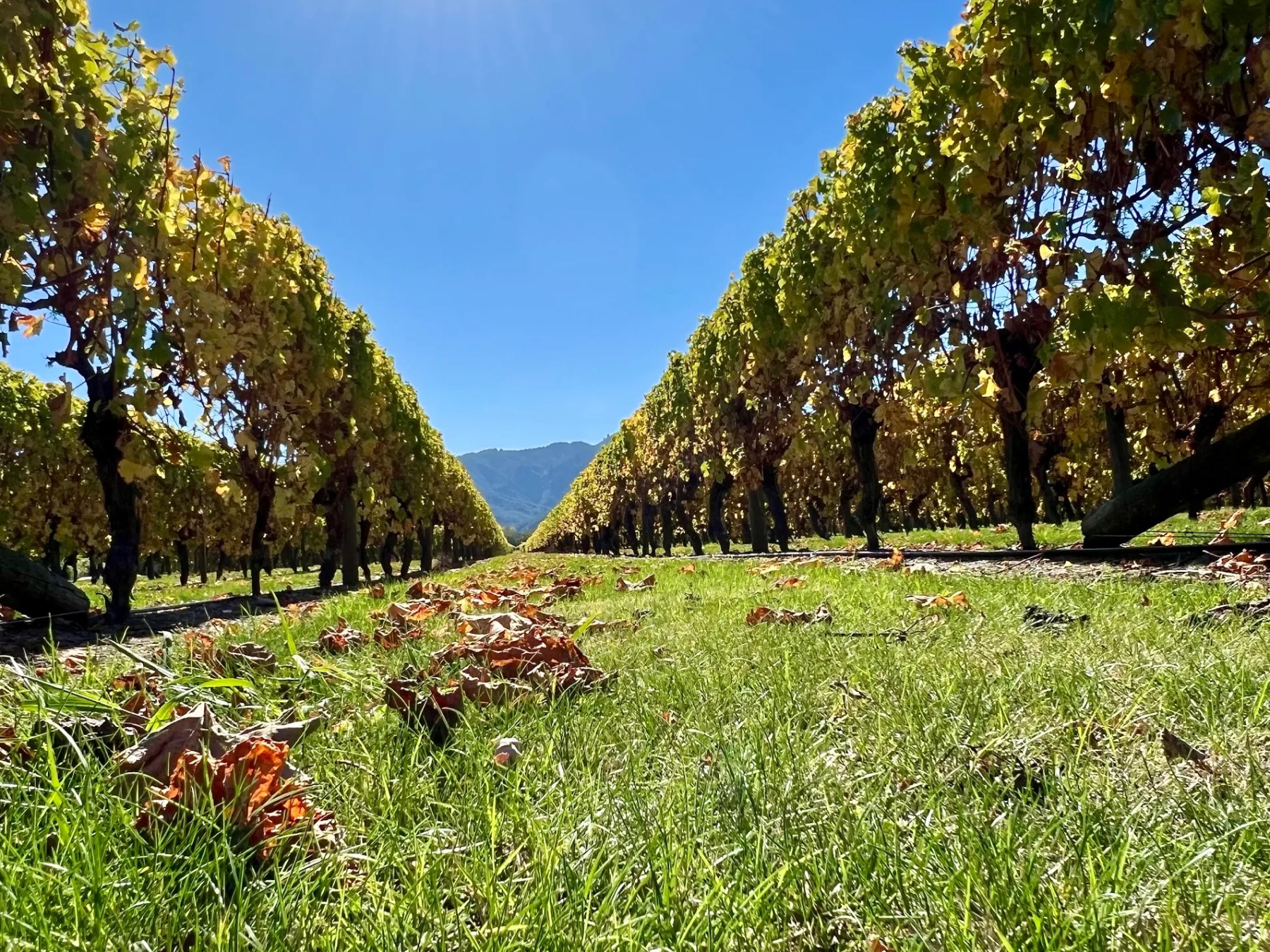
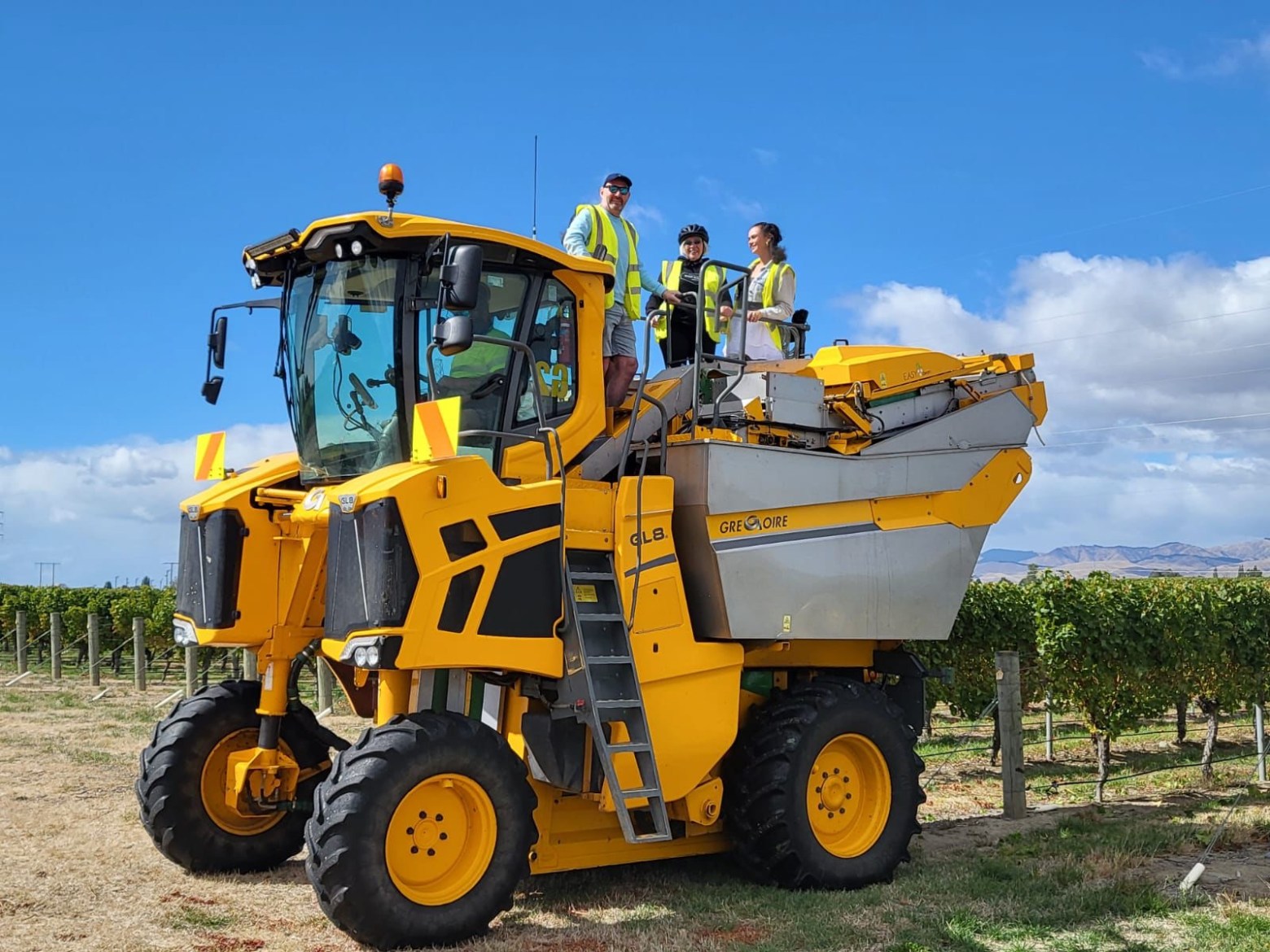
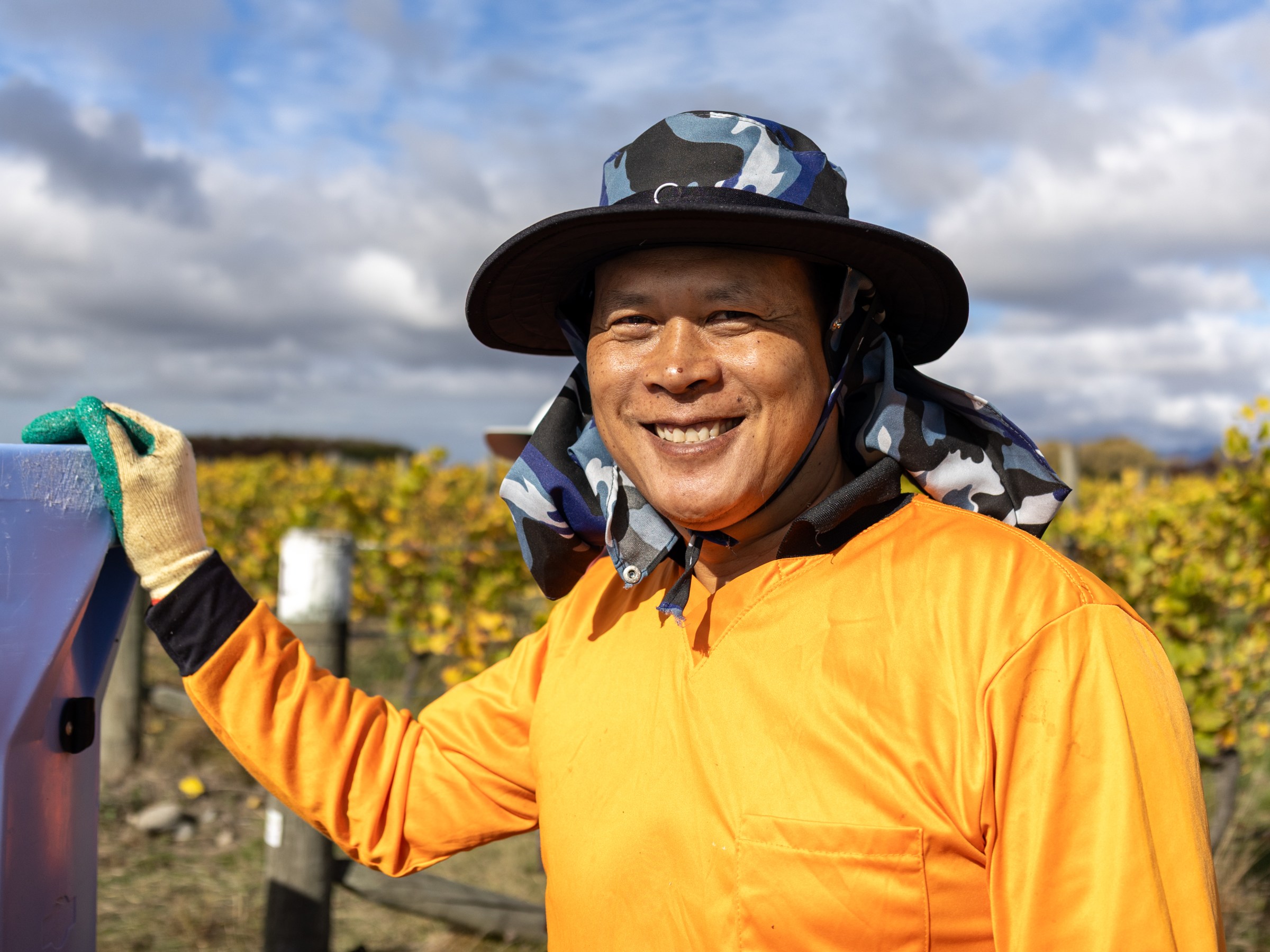
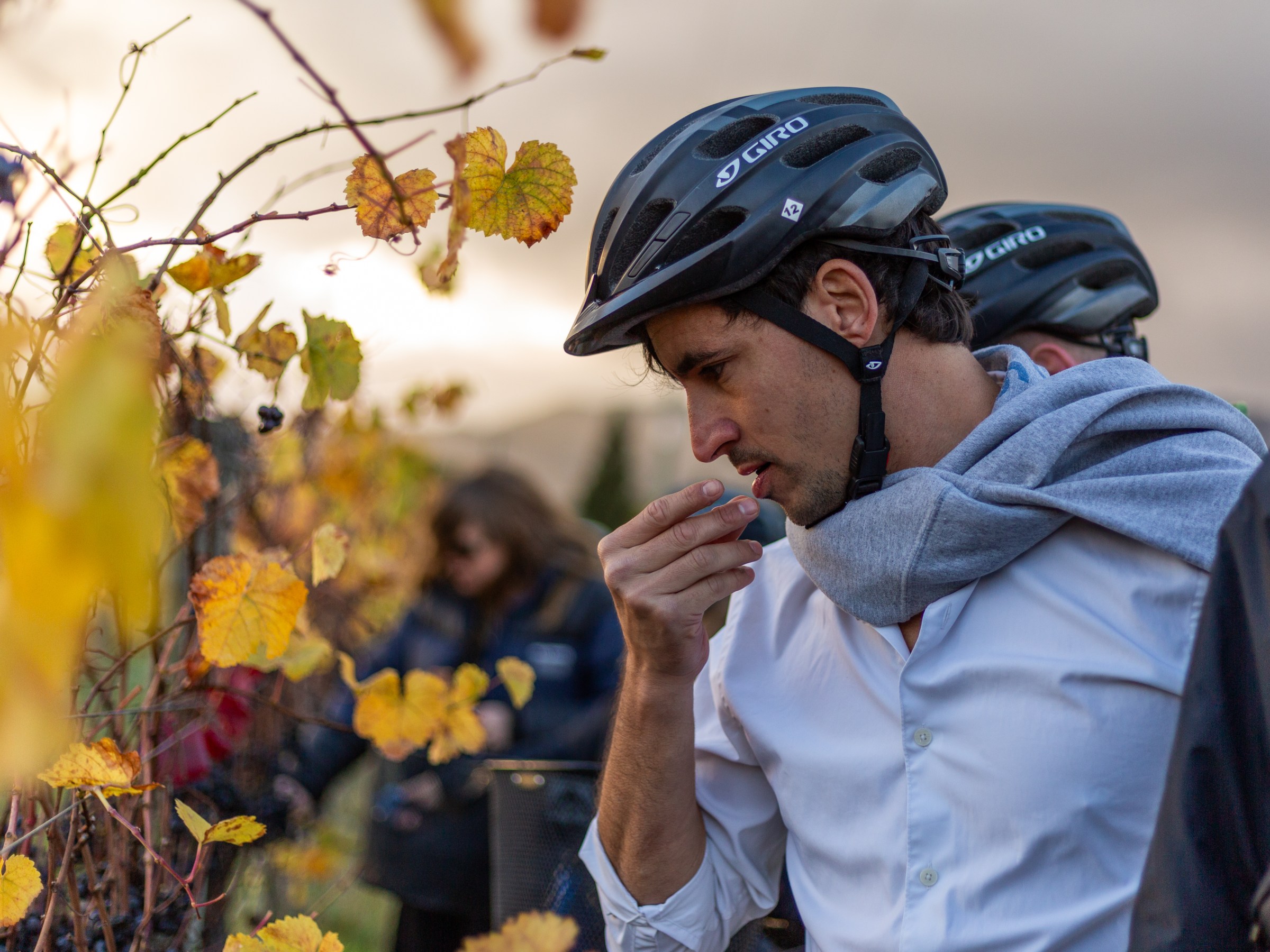
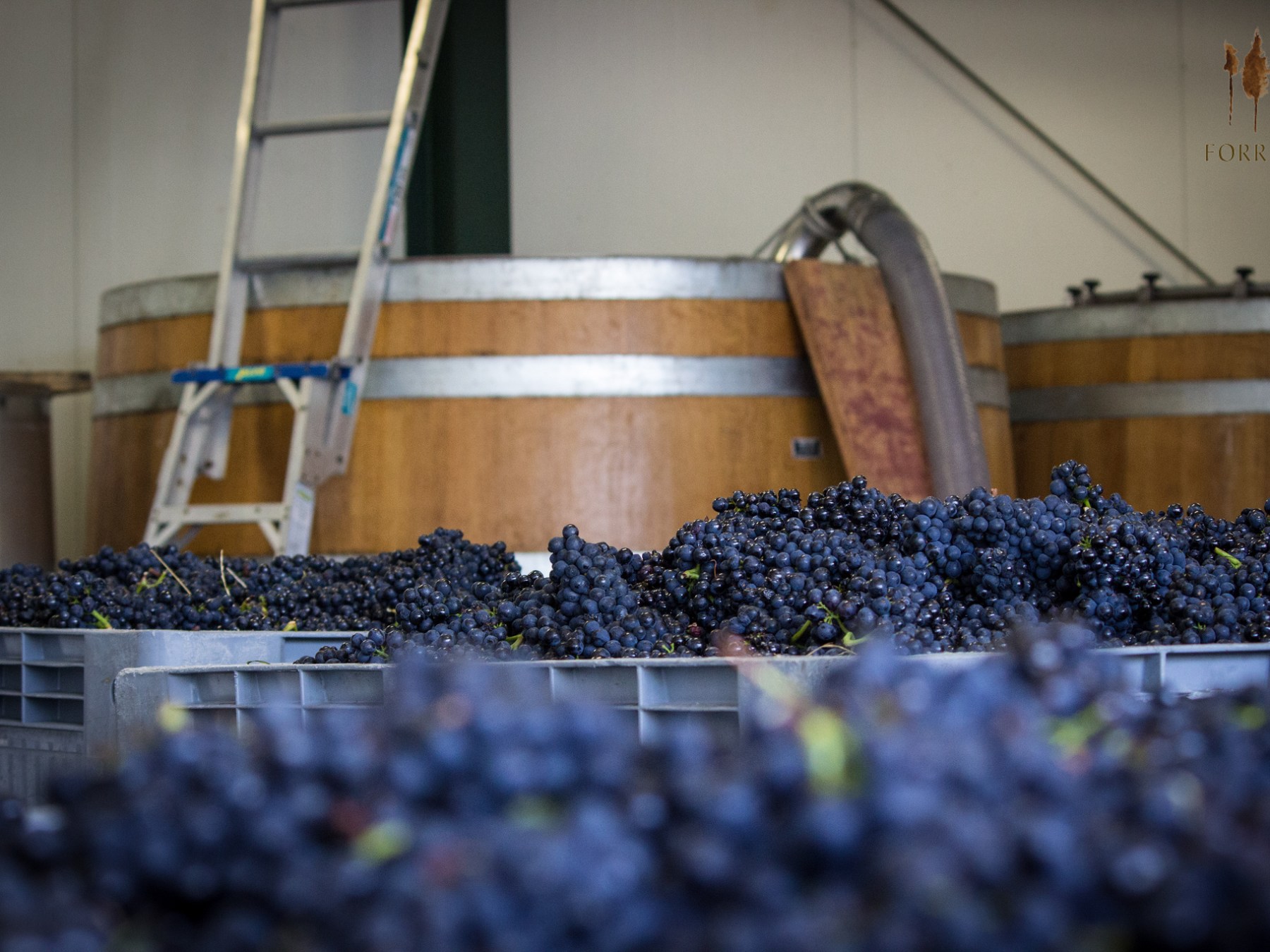
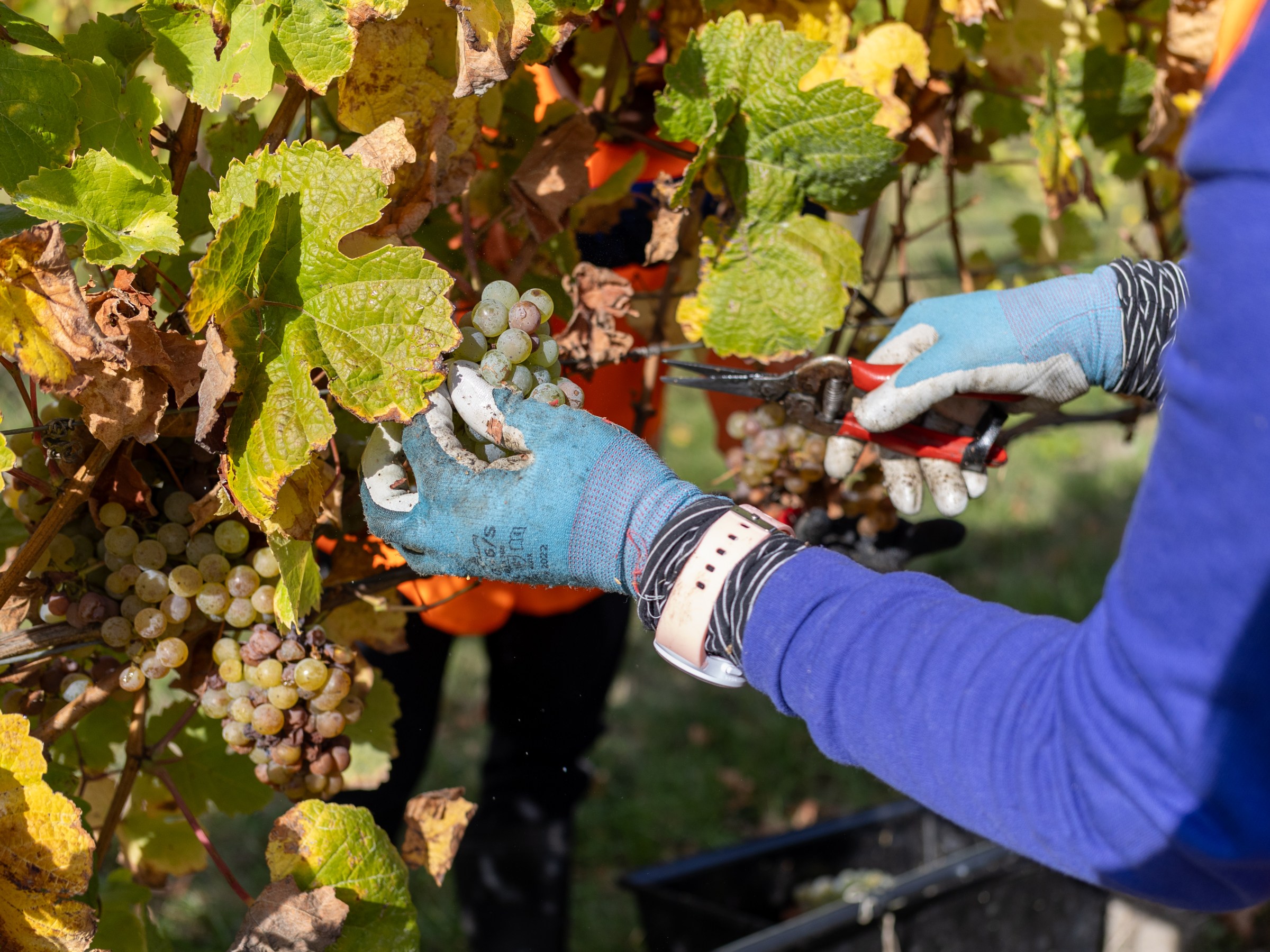
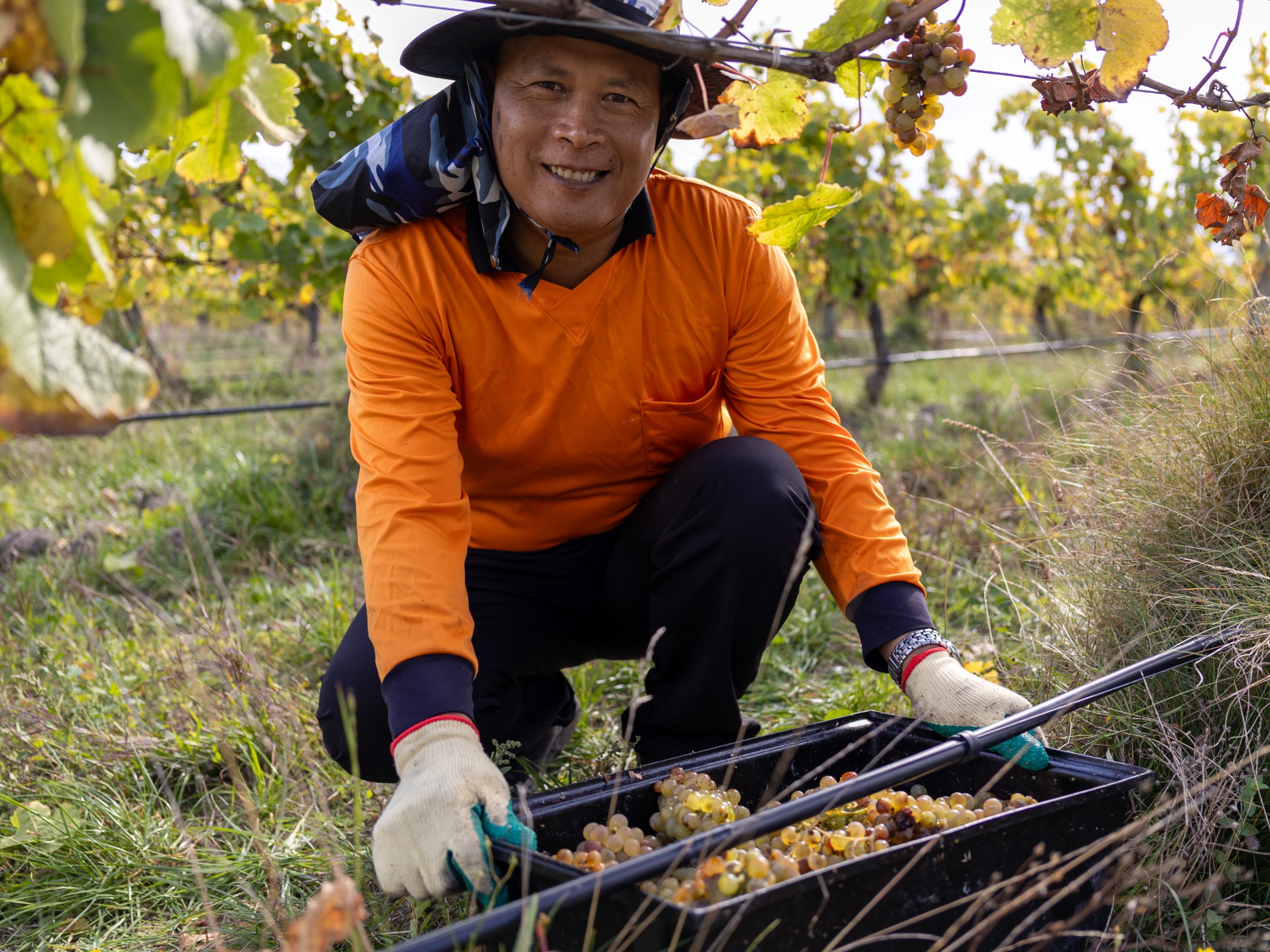
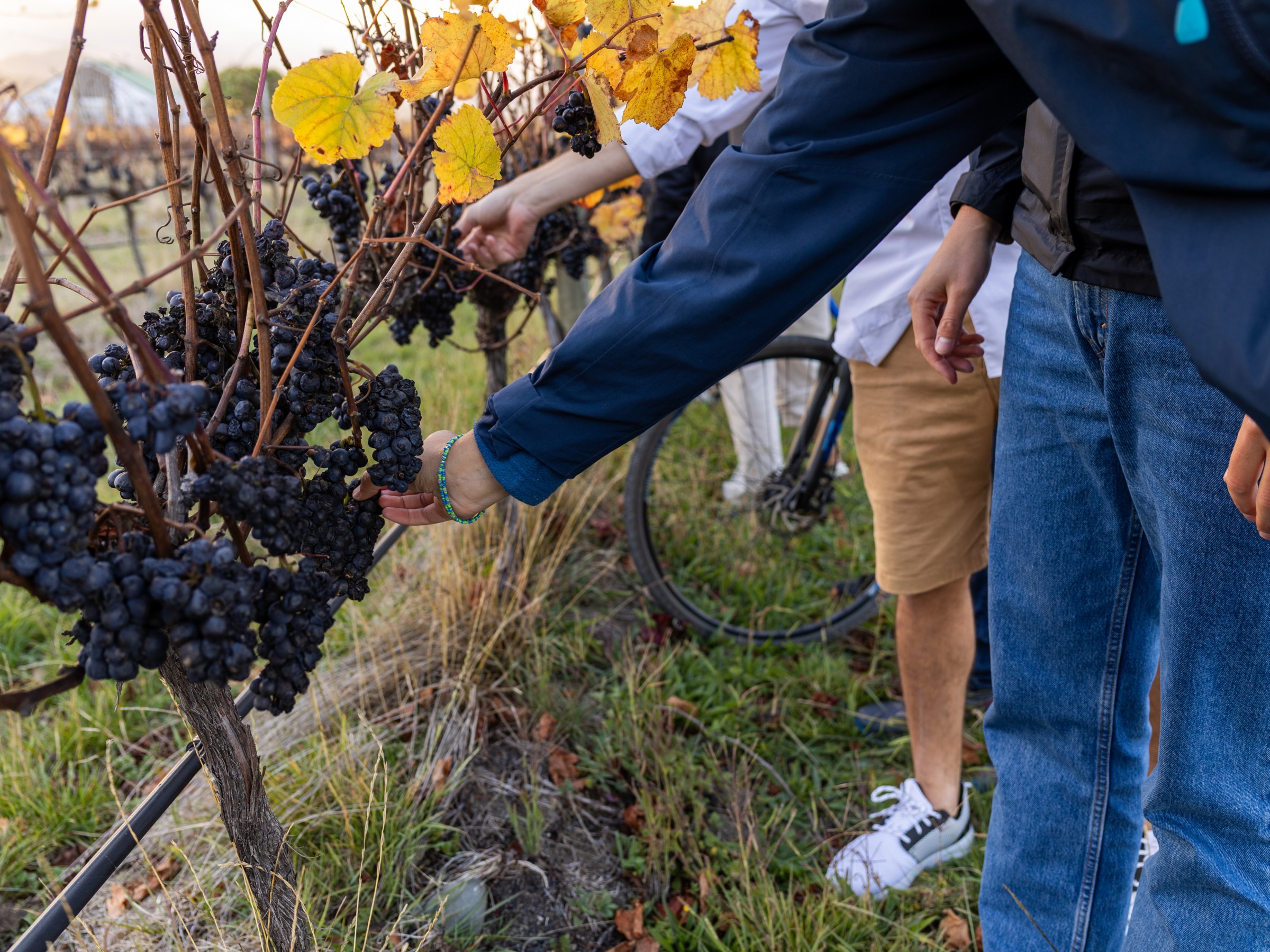
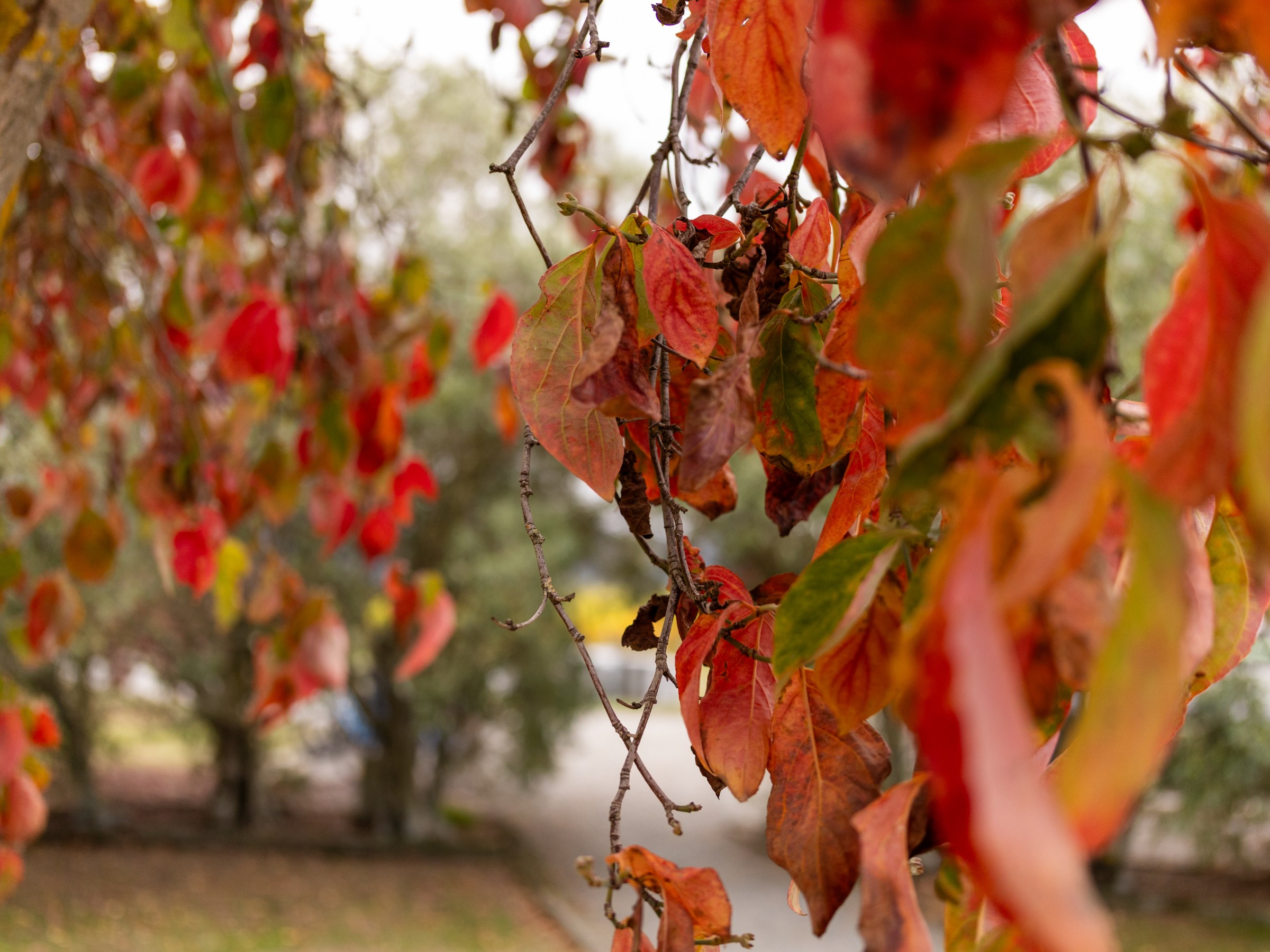
This is the most exciting time to be in Marlborough. The vines are being picked, the wineries are in full production mode, and the whole region has an energy that’s hard to describe if you haven’t experienced it. You can see the harvesting machines working through the night, smell the fermenting juice as you cycle past the wineries, and sometimes catch a winemaker who’ll talk to you for an hour about what makes this vintage different from the last.
The 2024 vintage is a good example of why harvest season matters. Warm, dry El Niño conditions produced yields down 20-30% across the region, but veteran winemaker Matt Thomson called it the healthiest harvest he’d seen in 32 years. Smaller berries, concentrated flavours, and exceptional acidity. That kind of vintage story only makes sense if you’re there to hear it.
Shoulder Season: May, October, and November
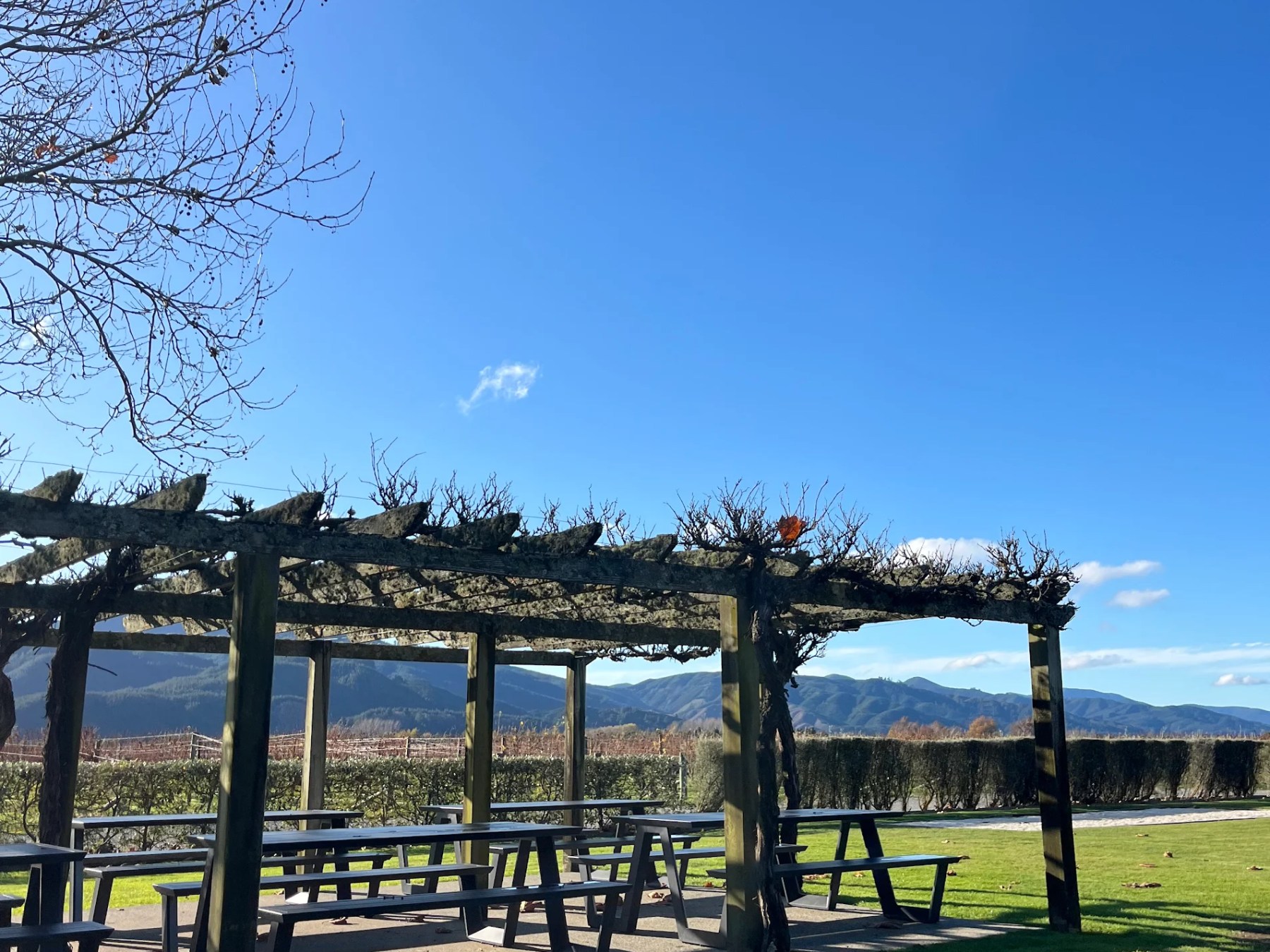
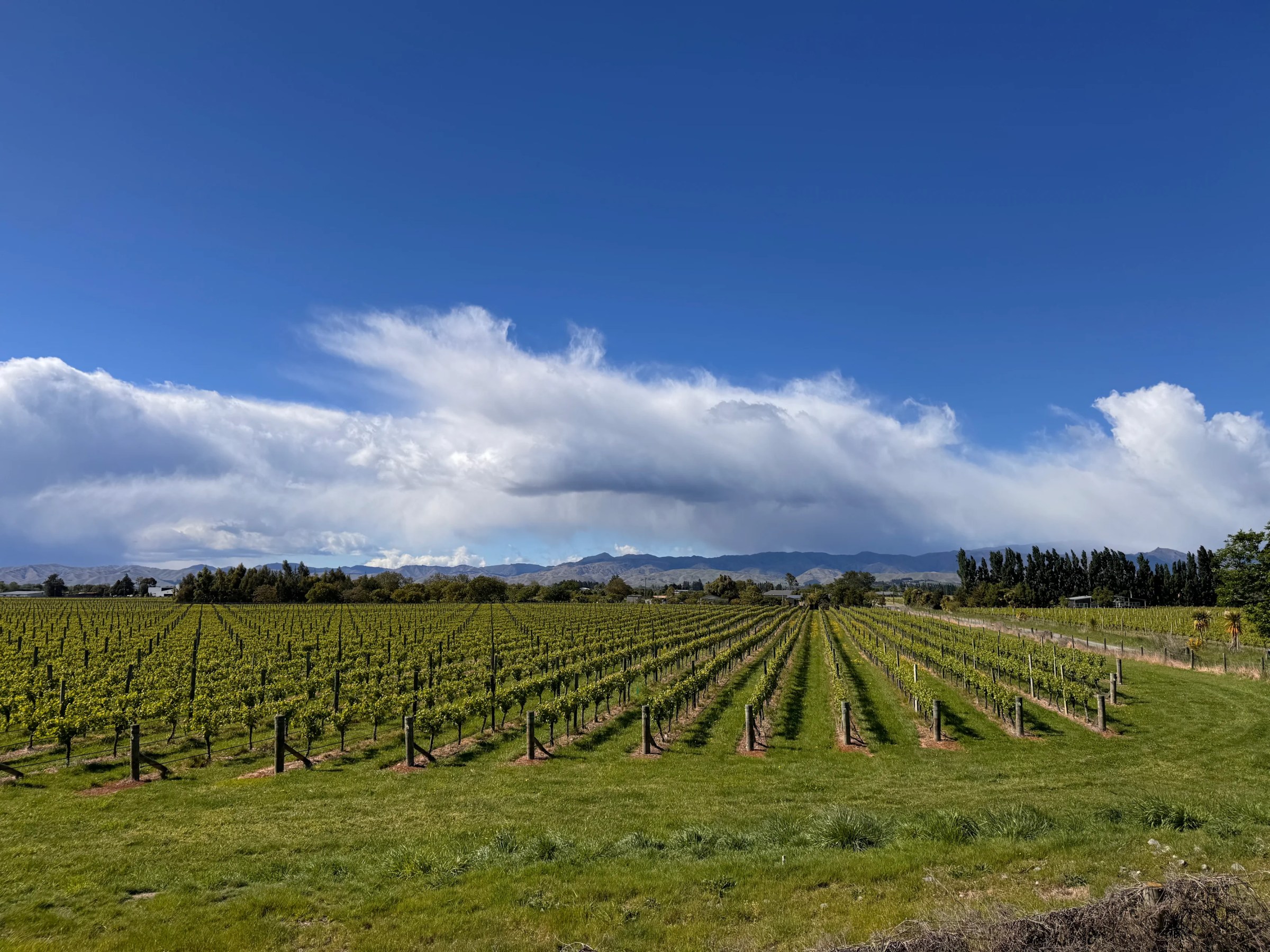
The underrated choice. Cellar doors are quieter, staff have more time for you, and you’re more likely to get a proper conversation with a winemaker or cellar door manager rather than a scripted tasting. Prices on accommodation and tours are lower. May in particular is worth noting: Wine Marlborough runs special Sauvignon Blanc tasting experiences at cellar doors across the region for just $10 throughout the month.
Summer: December to February
Long days, outdoor tastings, and almost all cellar doors open and humming. Peak visitor numbers but also peak cellar door experience: most wineries have their full range available, outdoor seating is open, and the vines are lush and photogenic. Book ahead for popular cellar doors.
Local tip: If you want to visit Cloudy Bay without a wait, go on a weekday morning in October or November. You’ll often have the cellar door almost to yourself.
What to Eat with Marlborough Sauvignon Blanc
The high acidity and herbaceous character of Marlborough Sav Blanc makes it one of the most food-friendly white wines in the world. It cuts through richness, lifts delicate flavours, and has enough freshness to work across a wide range of cuisines.
Classic Pairings
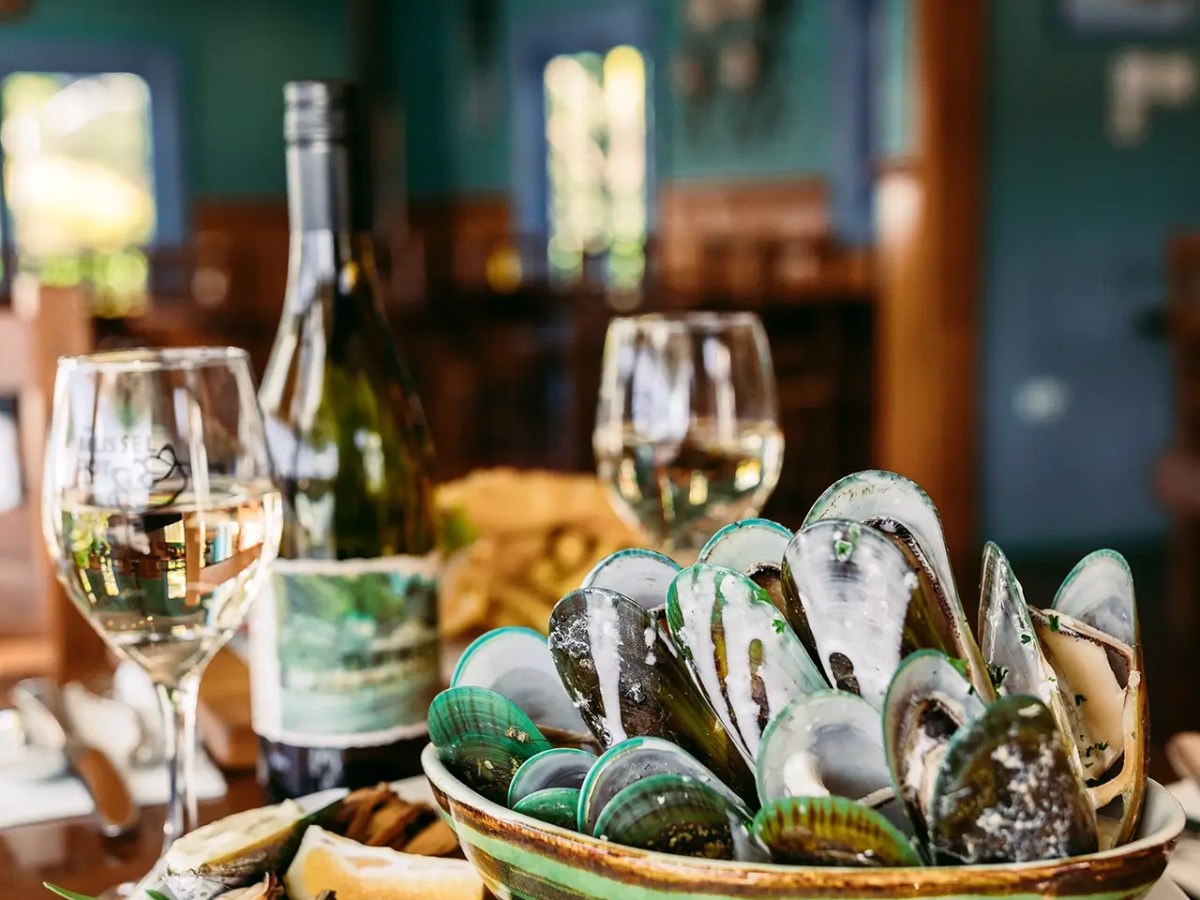
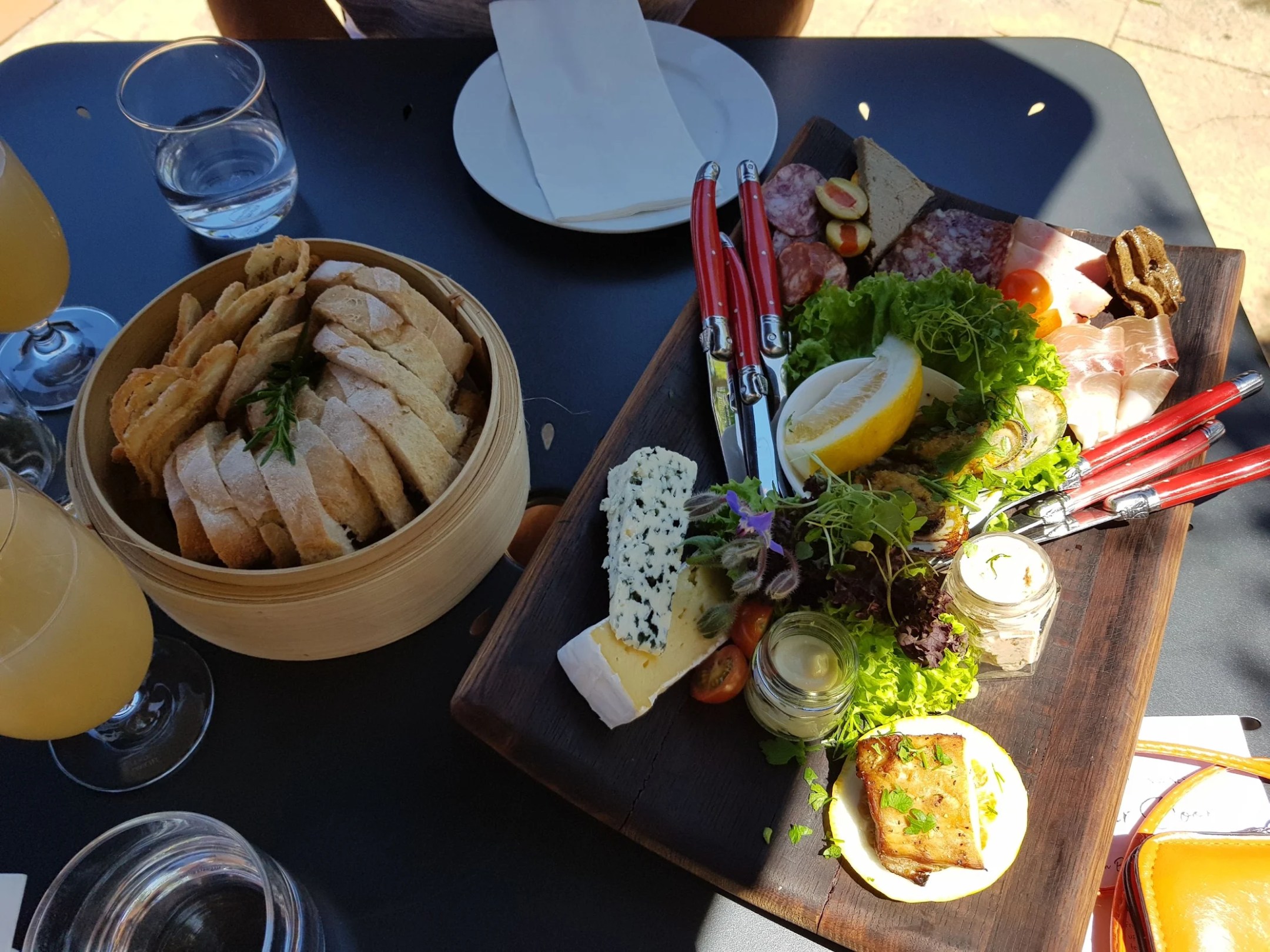
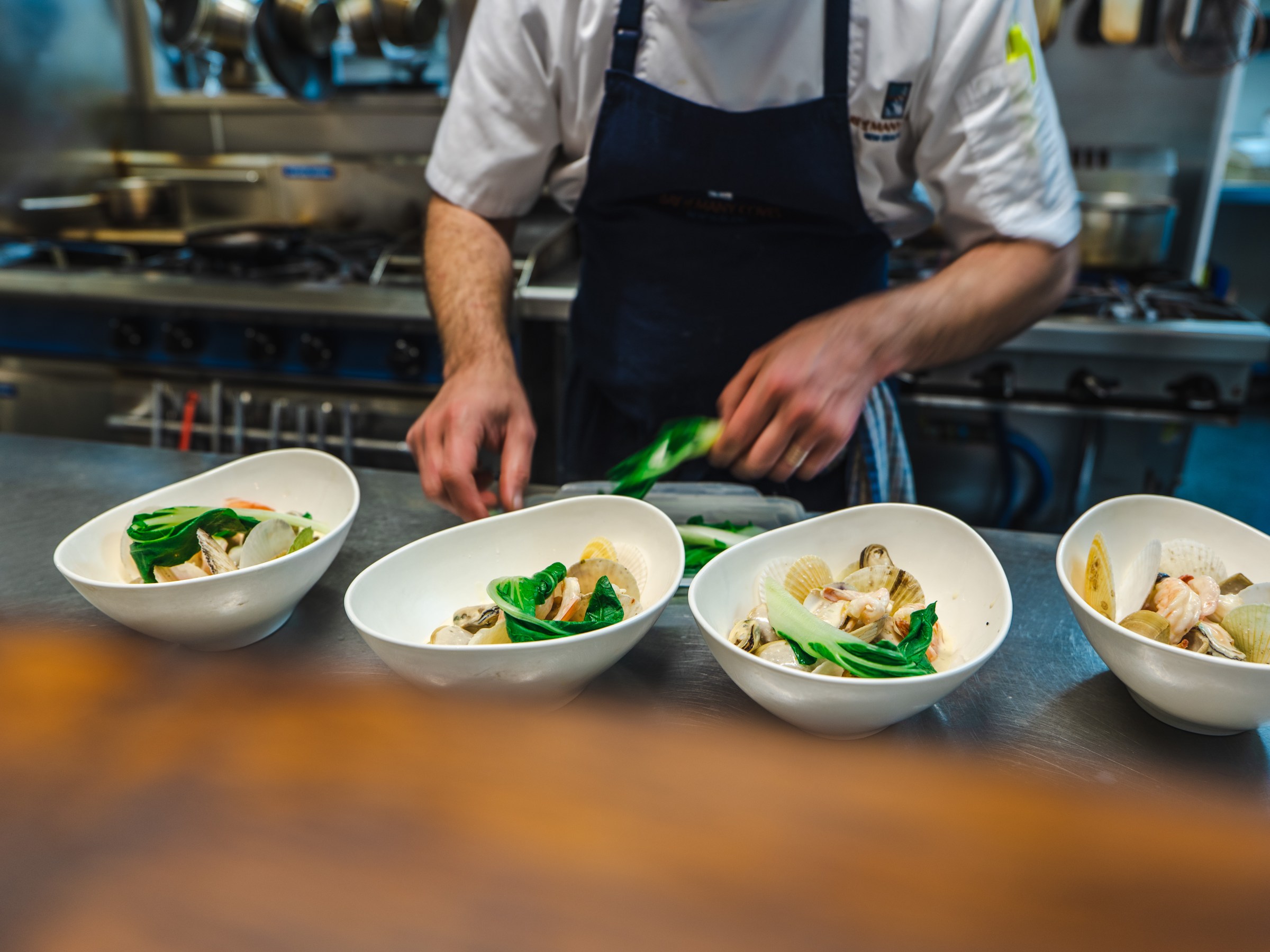
- Marlborough Sounds green-lipped mussels are the definitive local pairing. The briny, sweet shellfish and the zingy Sav Blanc are made for each other. This is the combination every visitor should try at least once.
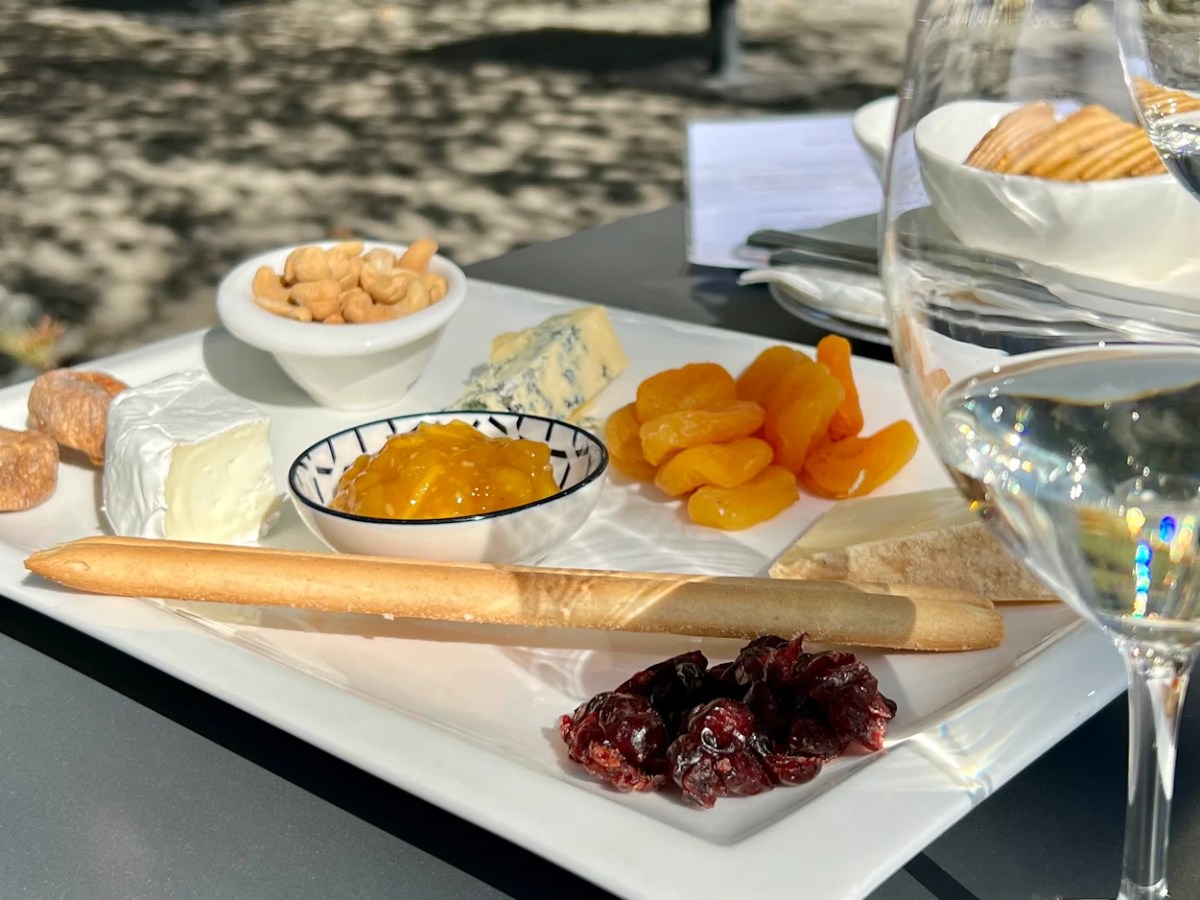
- Goat’s cheese and fresh salads are textbook matches: the wine’s acidity cuts through the cheese’s creaminess, and the herbaceous notes echo the greens.
- Seafood generally: grilled fish, oysters, crayfish, and scallops all work beautifully.
- Thai and Vietnamese cuisine: the tropical fruit notes in the wine mirror the flavours in dishes like green papaya salad or lemongrass-based curries.
- Asparagus and green vegetables: the capsicum and grassy notes in the wine are a natural echo of green vegetable flavours.
Pairing tip: Avoid heavy, oak-aged reds or rich cream sauces with Marlborough Sav Blanc. The wine’s acidity and freshness gets overwhelmed. Stick to lighter, fresher flavours and the wine will sing.
Where to Eat Near the Cellar Doors
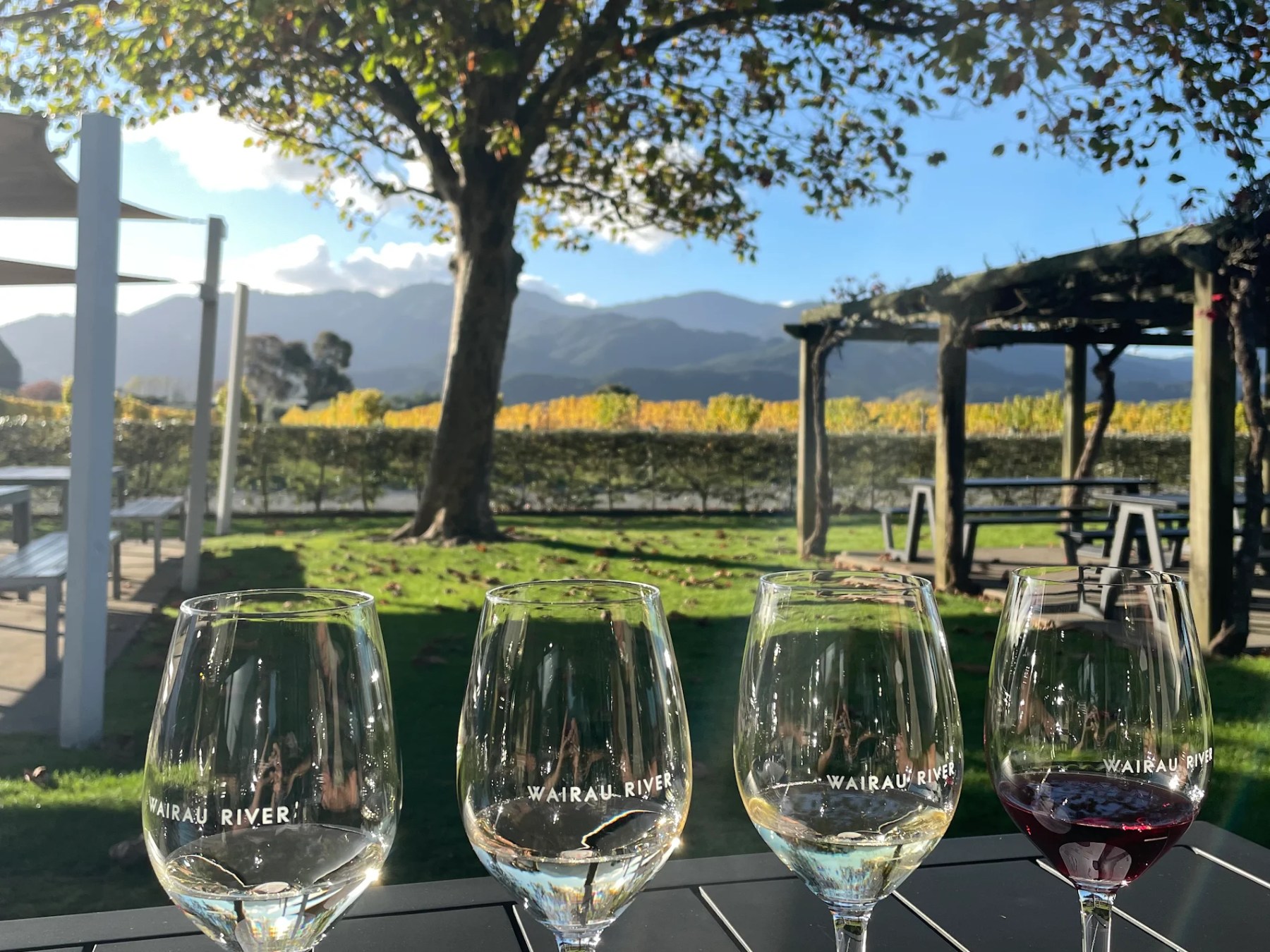
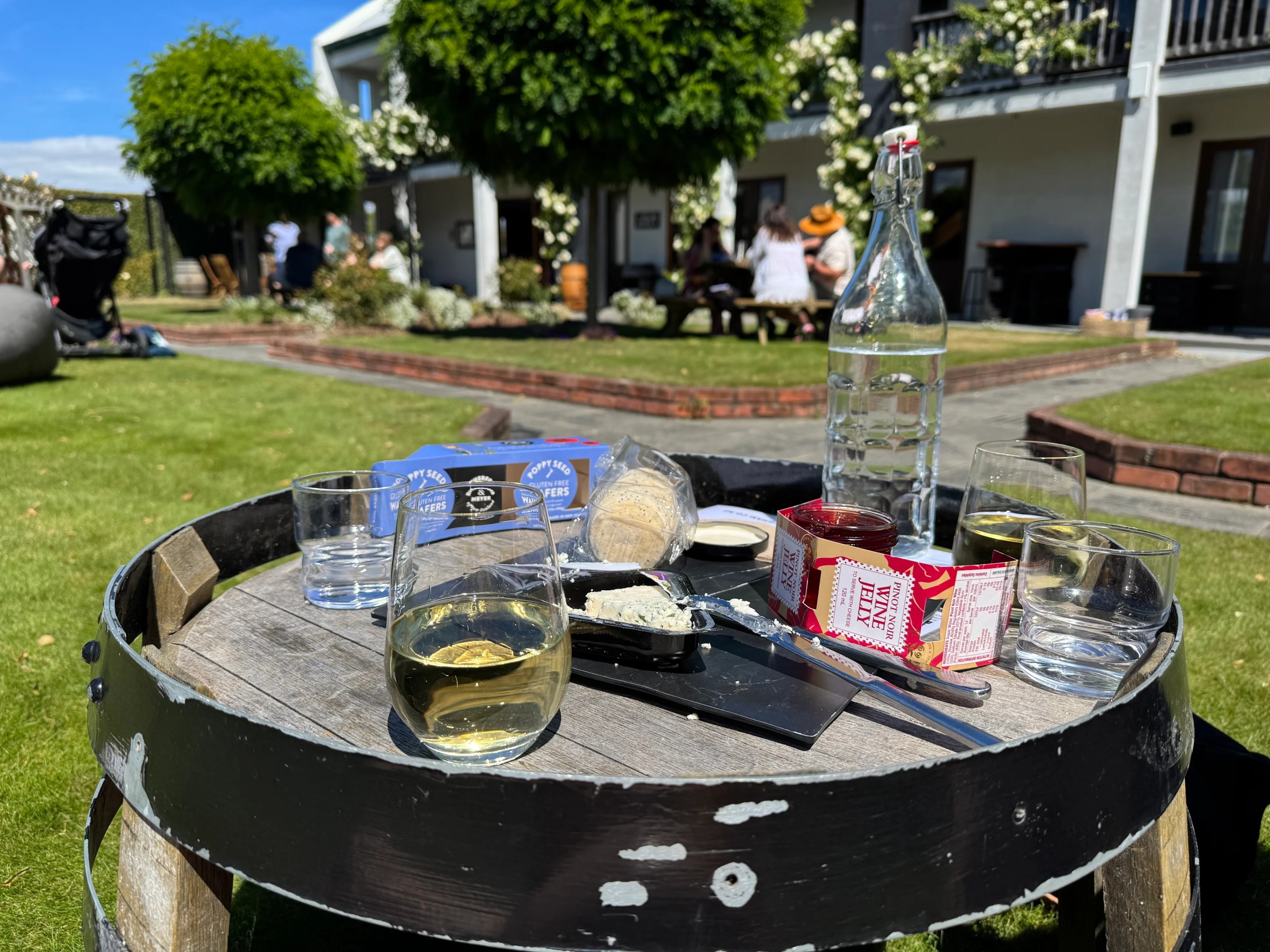
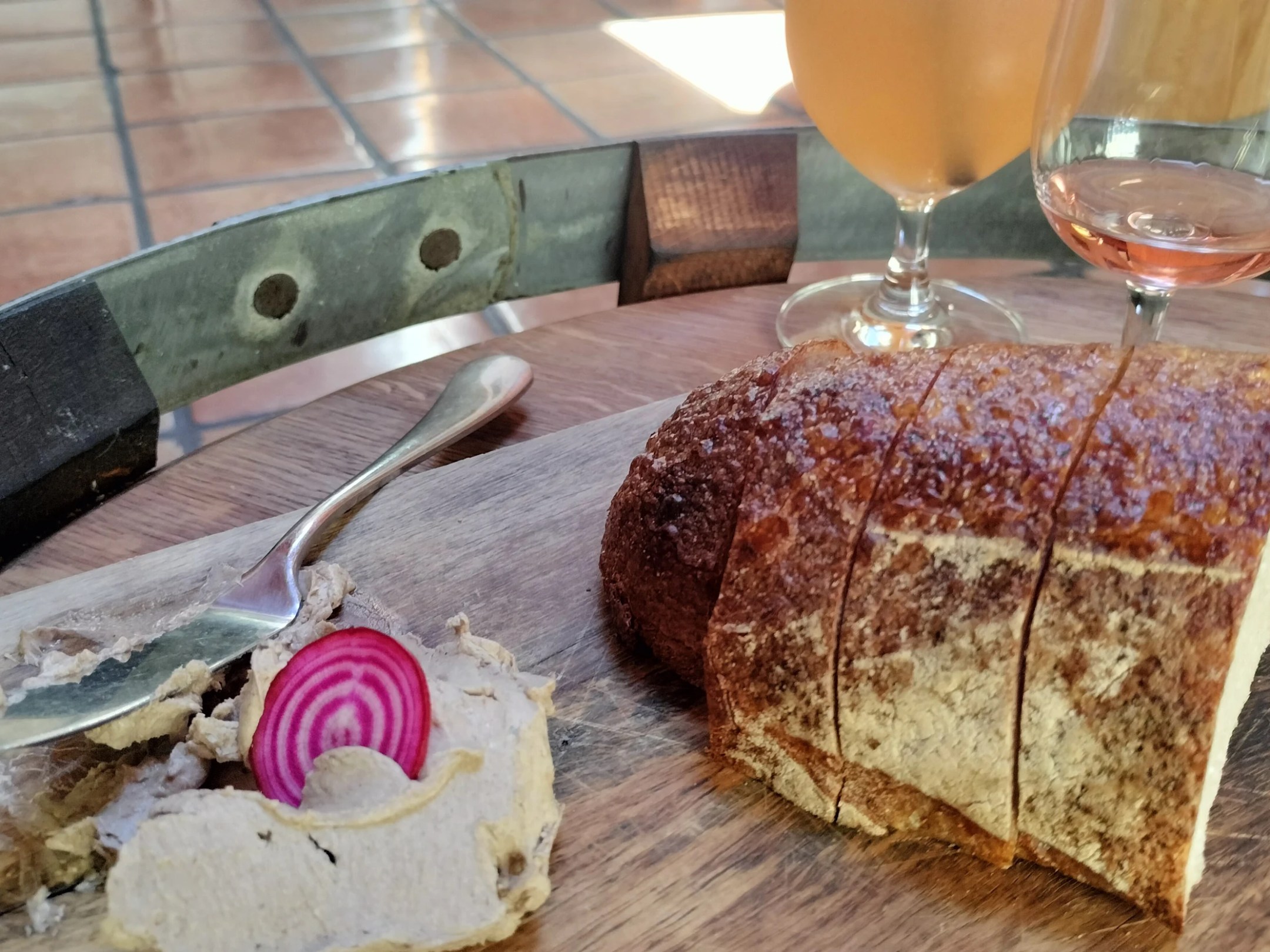
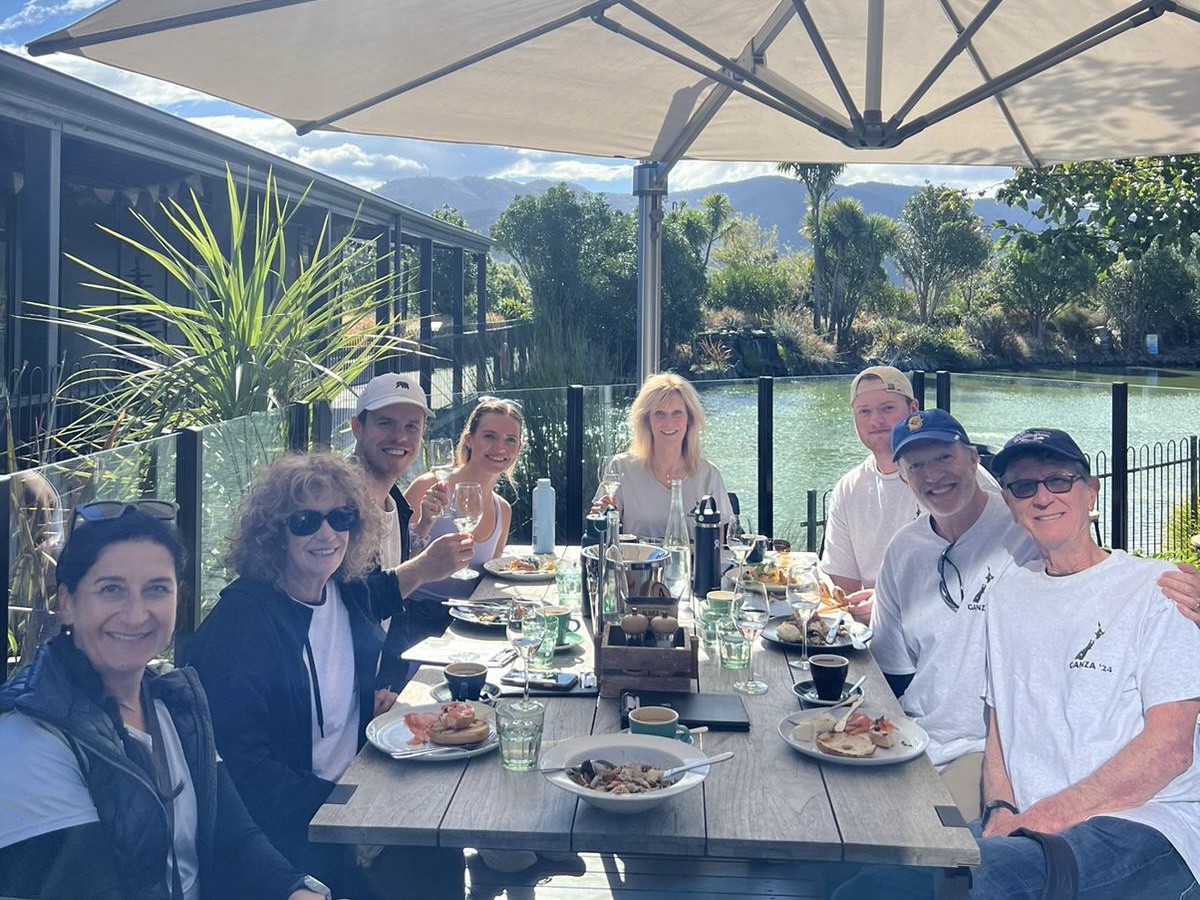
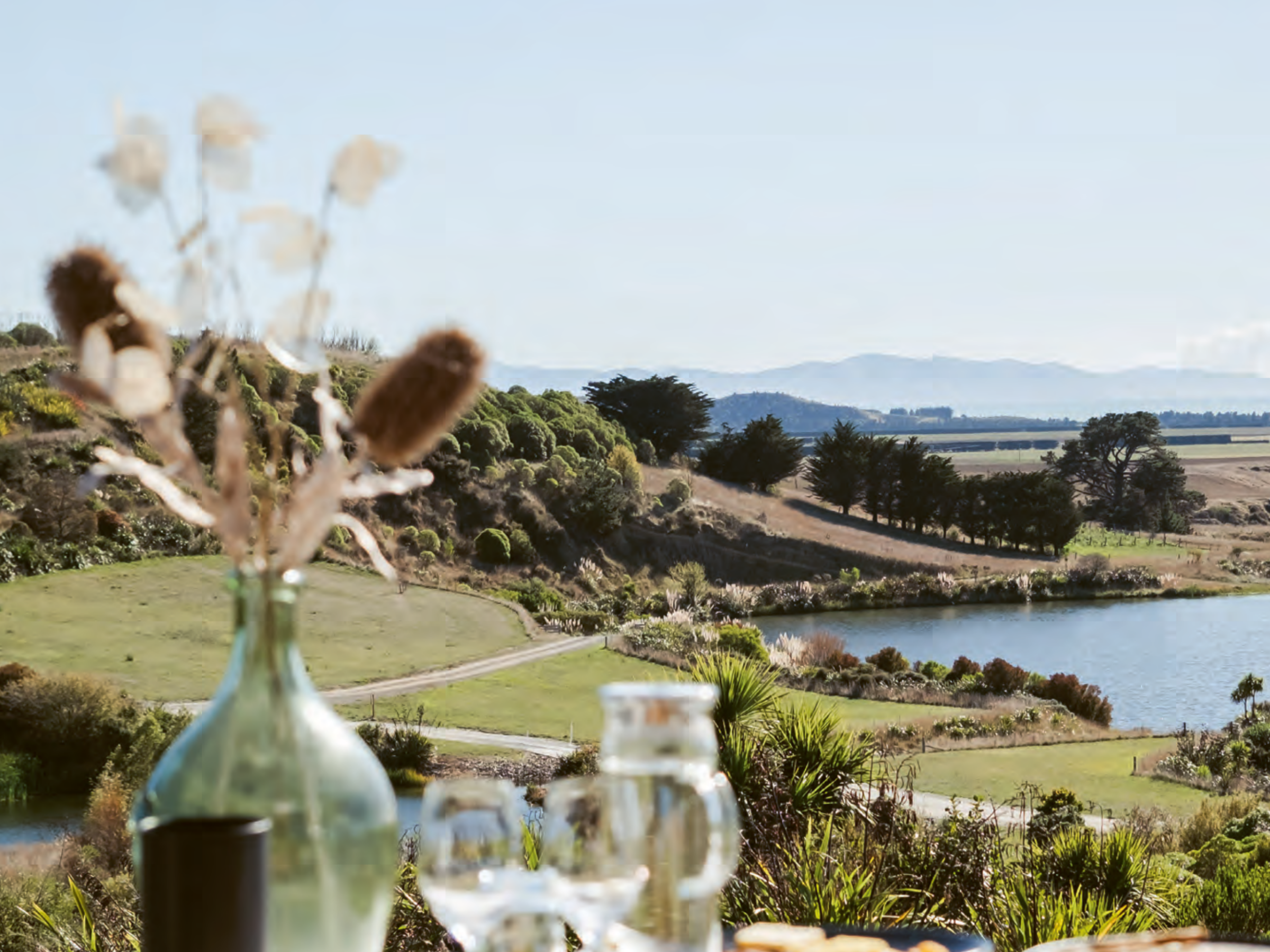
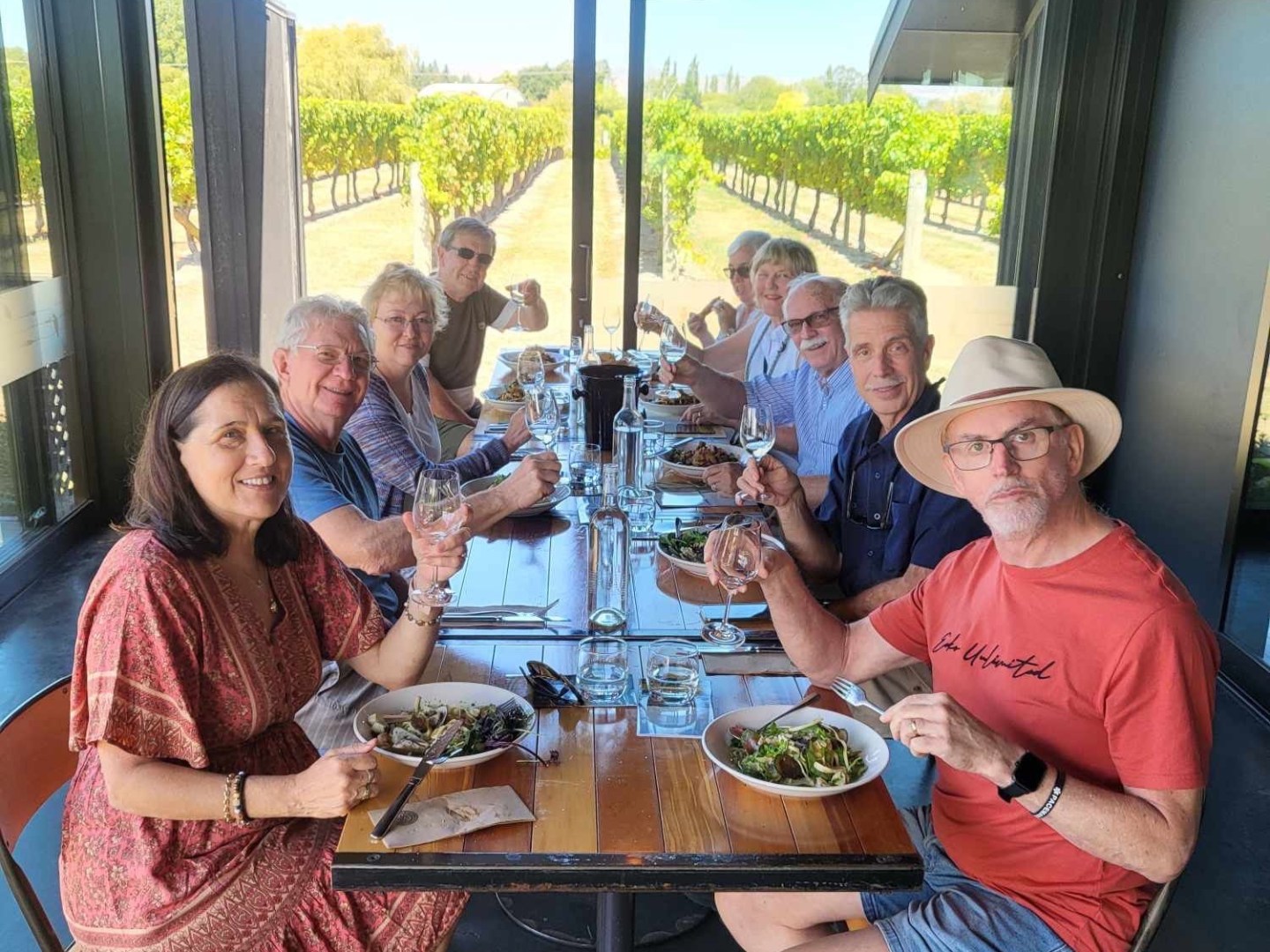
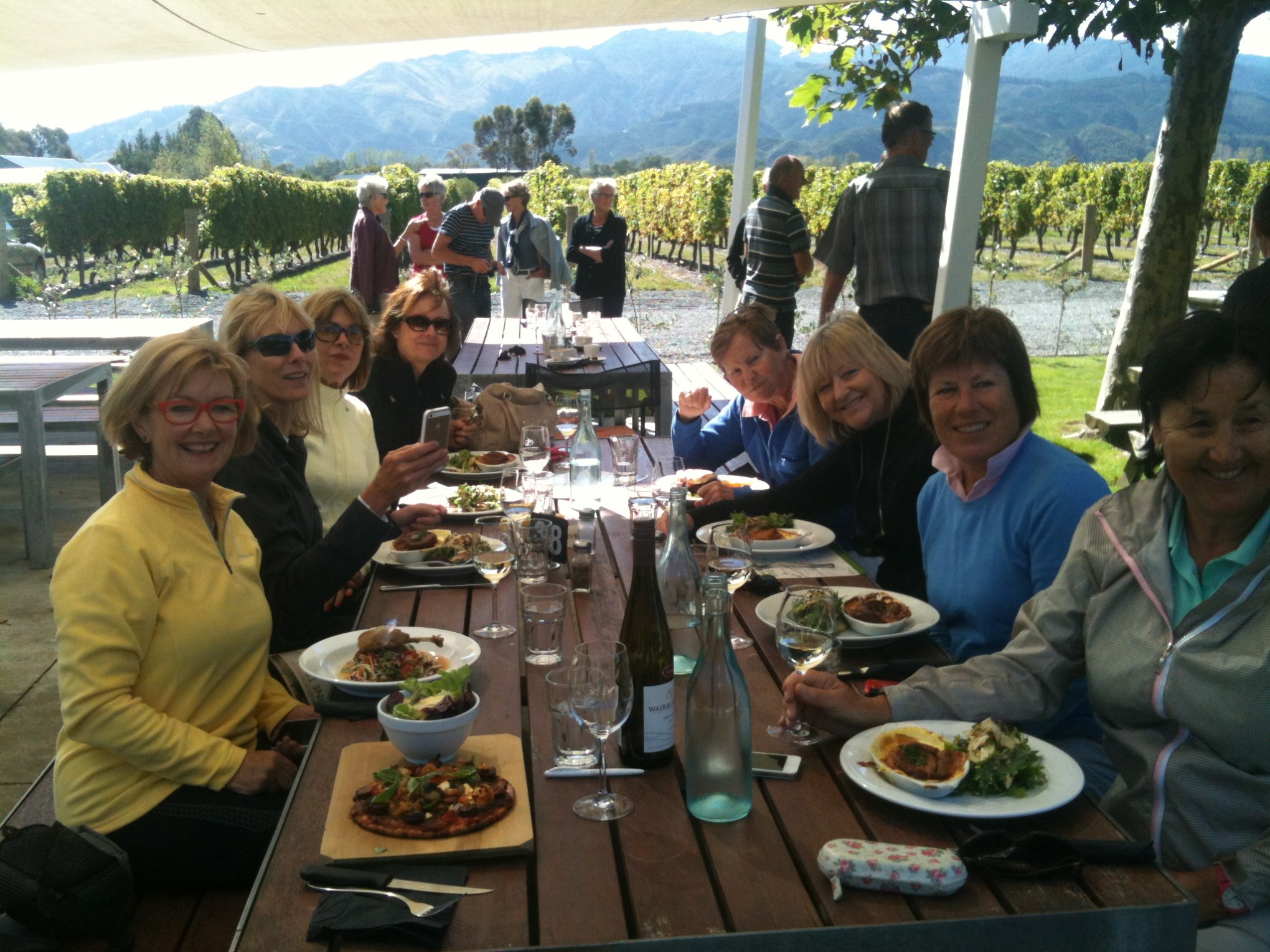
Several cellar doors in Marlborough do food as well as they do wine. Saint Clair Family Estate on Selmes Road has a well-regarded restaurant focused on seasonal local produce, with views toward the Richmond Range from the verandah. Wairau River at 11 Rapaura Road has been a Marlborough classic since 1978; their No.11 Restaurant is a solid choice for lunch between tastings. Allan Scott on Jacksons Road runs a relaxed bistro with modern-fusion food from the Picton Food Cartel team, a good match for a long afternoon in the vines.
Cloudy Bay’s Saku Japanese Restaurant (open December-April) can be worth booking ahead in summer, a great way to round out a day at the cellar door.
-
Savvy B (or Savvy) is a common informal name for Sauvignon Blanc, particularly New Zealand Sauvignon Blanc. You’ll hear it used interchangeably with Sav Blanc, Sav, and simply “a Sauvignon” in Marlborough restaurants and cellar doors. All refer to the same wine.
-
Marlborough’s combination of intense UV radiation, cool nights, and free-draining stony soils produces a style that’s significantly more aromatic and fruit-forward than French expressions like Sancerre. The tropical fruit character (passionfruit, guava, gooseberry) is much more pronounced, acidity is vibrant rather than mineral, and the herbaceous notes are bolder. It’s a distinctly New World style that’s become the global reference point for the variety.
-
The honest answer is that it depends on the style you prefer. For the classic benchmark expression: Cloudy Bay. For award-winning intensity from the Dillons Point sub-region: Catalina Sounds (2025 London Wine Competition Sauvignon Blanc of the Year). For single-vineyard exploration: Saint Clair’s Pioneer Block range. For a hidden gem experience: Bladen.
-
Dry. The tropical and fruity aromas can make it smell sweeter than it is, but Marlborough Sav Blanc is fermented to dryness. The residual sugar is typically very low. What you’re tasting as “sweetness” is ripe fruit character and aromatic intensity, not actual sugar.
-
The most popular option is cycling. The main cellar door strip around Rapaura Road is flat, scenic, and purpose-built for winery-hopping by bike. You can hire a bike and explore at your own pace, follow our self-guided wine tour route, or join a guided biking wine tour with a local who knows the region inside out. The big advantage over driving: nobody has to be the designated driver.
-
Harvest season (March-April) for the most immersive experience. Summer (December-February) for long days, outdoor tastings, and peak cellar door atmosphere. Shoulder season (October-November, May) for quieter cellar doors, more personal service, and better availability.